
Magnesium: Are you getting enough?
Magnesium is essential and abundant, yet magnesium deficiency is common. How do you know you’re getting enough?

Even though dietary magnesium is easily accessible through many foods, research estimates that around 10-30% of a given population has some degree of magnesium deficiency.[1] You could be among them and not even know it. After all, how many of us know what a magnesium deficiency looks like?
Taking a magnesium supplement is a smart step toward reclaiming good health, but the supplement you choose might not be the right one for your needs. To make the best choice, it helps to know what your options are, how they differ, and other fundamentals of magnesium supplementation.
Why take magnesium?
Your body needs magnesium to function. Even if you’re getting enough other minerals, vitamins, and nutrients, they’ll practically go to waste because they too rely on magnesium. In fact, this one mineral is central to more than 300 chemical reactions in the body, including (but definitely not limited to):[2]
- Protein synthesis, the process by which your cells make protein
- Regulation of blood sugar
- Transport of calcium and potassium across cell membranes (necessary for nerve conduction, muscle contraction, bone development, and normal heart rhythm)
So it’s hard to overstate why the magnesium deficiency rates are alarming: there’s no overstating how important magnesium is to human health.
How much magnesium do you need?
The Recommended Dietary Allowance (RDA) for magnesium depends on your age, sex, and (if applicable) pregnancy or lactation status. For adults, the daily minimums look like this:[2]
-
Ages 19-30: 400mg for men and AMAB, 310mg for women and AFAB, 350mg during pregnancy, and 310mg during lactation
-
Ages 31 and up: 420mg for men and AMAB, 320mg for women and AFAB, 360mg during pregnancy, and 320mg during lactation
Are you getting enough magnesium?
Short of taking a magnesium blood test, you might tell that you aren’t getting enough magnesium if you notice symptoms like uncontrollable eye movements, muscle spasms, cramps, fatigue, numbness, or convulsions.[3]
Those are just the more obvious ones. There are also subtler signs of deficiency, like poor sleep and increased stress.[4] [5] That’s because magnesium, in its multifaceted role in your biochemistry, is important for maintaining healthy levels of GABA, a neurotransmitter with close connections to sleep and mental health.[6] Not enough magnesium means not enough GABA.
The good news is that you can get plenty of magnesium through diet alone, because it’s present in a whole host of foods:[2]
-
Pumpkin seeds: 156mg per serving
-
Chia seeds: 111mg per serving
-
Almonds: 80mg per serving
-
Spinach: 78mg per serving
-
Cashews: 74mg per serving
-
Peanuts: 63mg per serving
-
Shredded wheat: 61mg per serving
-
Soymilk: 61mg per serving
-
Black beans: 60mg per serving
- Edamame: 50mg per serving
Nothing terribly exciting, but all pretty common. With most of them, you could meet your minimums (or close to it) with just 3-6 servings.
But there’s bad news, too. With dietary magnesium, you face the potential misfortune of a nutritional trade-off. Take almonds, for example. If you got your daily magnesium through almonds alone, you’d also consume 640-800cal and 56-70g of fat (72-90% RDA).[7] The macros could potentially offset the health benefit from the magnesium.
So, for many of us, supplementation is the better option. With a single serving of a no-calorie capsule or low-calorie gummy, you can get all the magnesium you need for the day without having to plan your meals down to the milligram.
Forms of magnesium (And why they matter)
Elemental (a.k.a. pure) magnesium is highly reactive: it readily undergoes chemical changes under certain but common environmental conditions, like bursting into flames.[8] That’s hardly what you want to happen when you swallow a supplement. So, before it can be safely used and absorbed in the body, it has to be combined with a stabilizing substance.
On the market, you’ll find that magnesium pairs with a huge variety of salts, amino acids, and other stabilizers. Each combination delivers a different concentration of elemental magnesium and degree of absorption, plus maybe one or two secondary benefits from the stabilizing substance itself. For example:[9]
-
Magnesium oxide provides 61% of elemental magnesium, which is high. At the same time, it isn’t very bioavailable, so your body absorbs less of the mineral.[10] Still, the combination of magnesium and oxygen causes biochemical reactions that can help with constipation, heartburn, or acid indigestion.[11]
-
Magnesium citrate is 16% elemental magnesium but very bioavailable, so your body actually absorbs more of it.[10] Citric acid, the stabilizing substance, is also beneficial for energy metabolism.[12]
-
Magnesium glycinate delivers 14% elemental magnesium. It’s paired with glycine, which is well-researched for its sleep-promoting effects.[13]
- Magnesium malate comprises 12-15% elemental magnesium and is very bioavailable.[14] The malic acid part of the pair helps set off a series of biochemical reactions that allow the nutrients in the food you eat to become usable energy.[15] [16]
There are other combinations, but you get the idea. A magnesium supplement isn’t just a magnesium supplement. Think of it like a car model and its various trim levels: same foundation, but each trim has a different set of standard features.
Choosing a magnesium supplement
Choosing a magnesium supplement is about matching the form to your need. Having trouble sleeping? Go with magnesium glycinate. Want to improve your workouts? Magnesium malate or citrate are two good options.
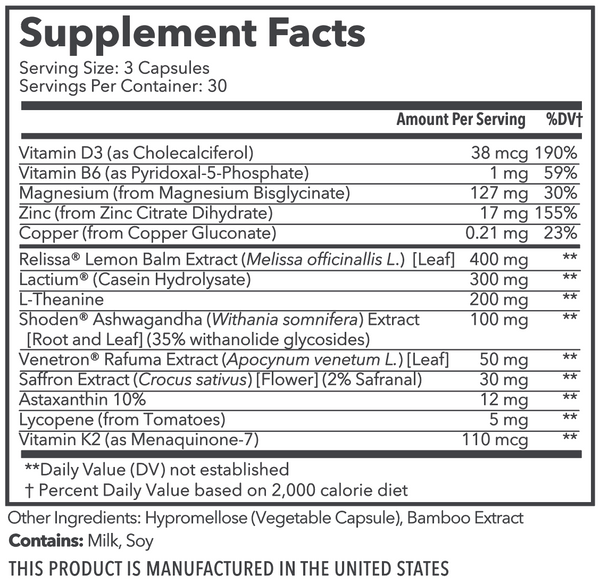
You should also look for supporting ingredients that improve upon magnesium’s properties. For example, a magnesium glycinate supplement with ashwagandha, L-theanine, and lemon balm would deliver multiple proven sleep-promoting compounds and give you better odds of getting high-quality rest.[17] [18] [19]
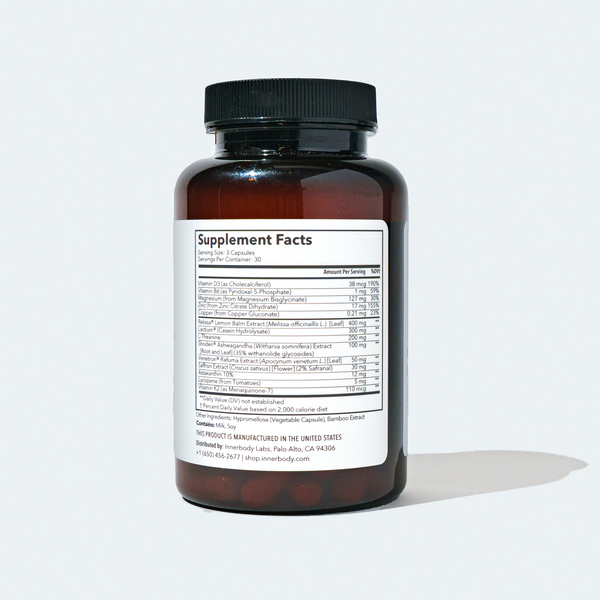
Innerbody Labs Sleep Support contains these ingredients, and others, in clinically tested doses. Just as important, it doesn’t have any of the things that can make you feel groggy the next day or hurt your long-term sleep health.
With so many magnesium supplements out there on the market, it’s important to focus on an option that has the science to support it.



48 Reviews
Sleep Support
$65.00