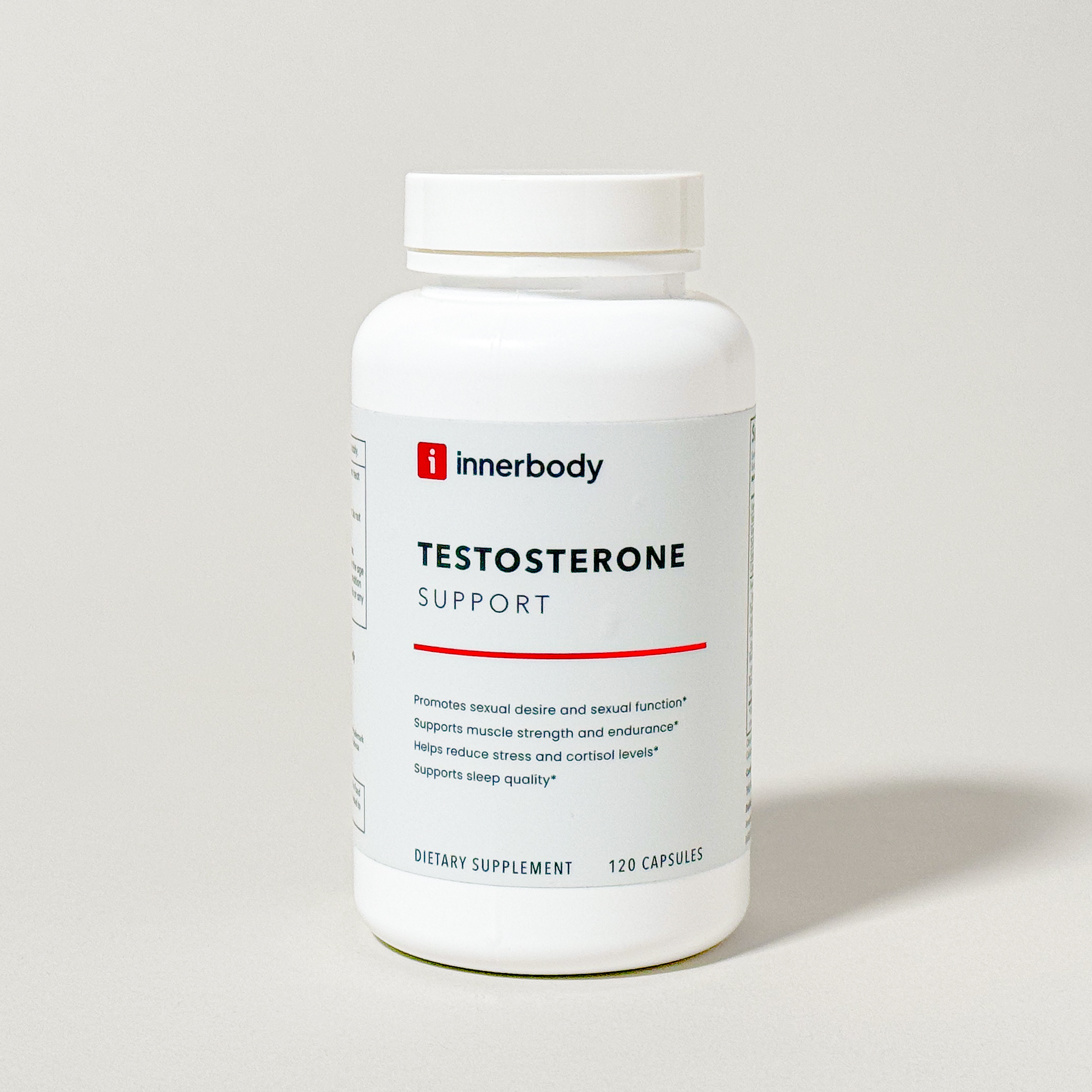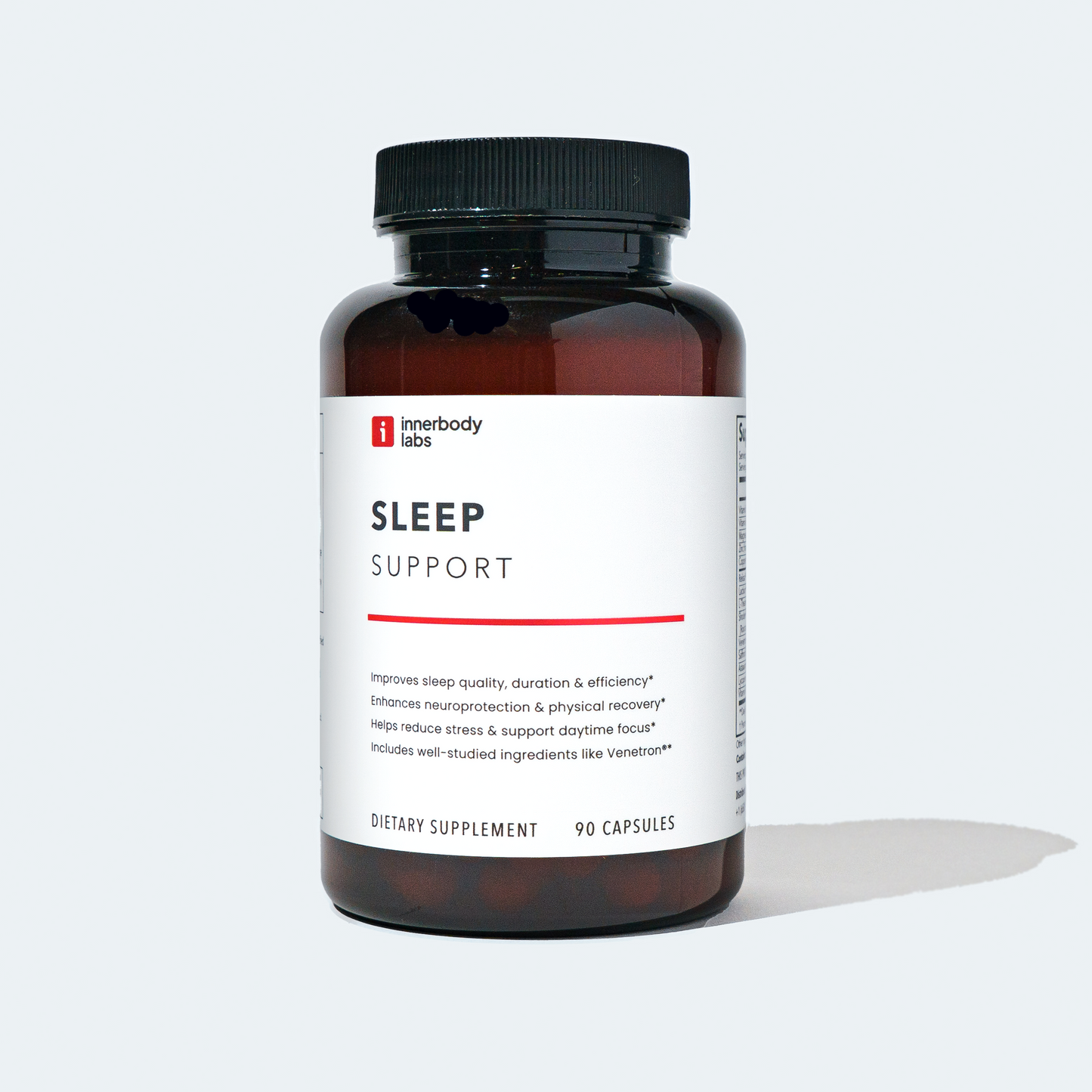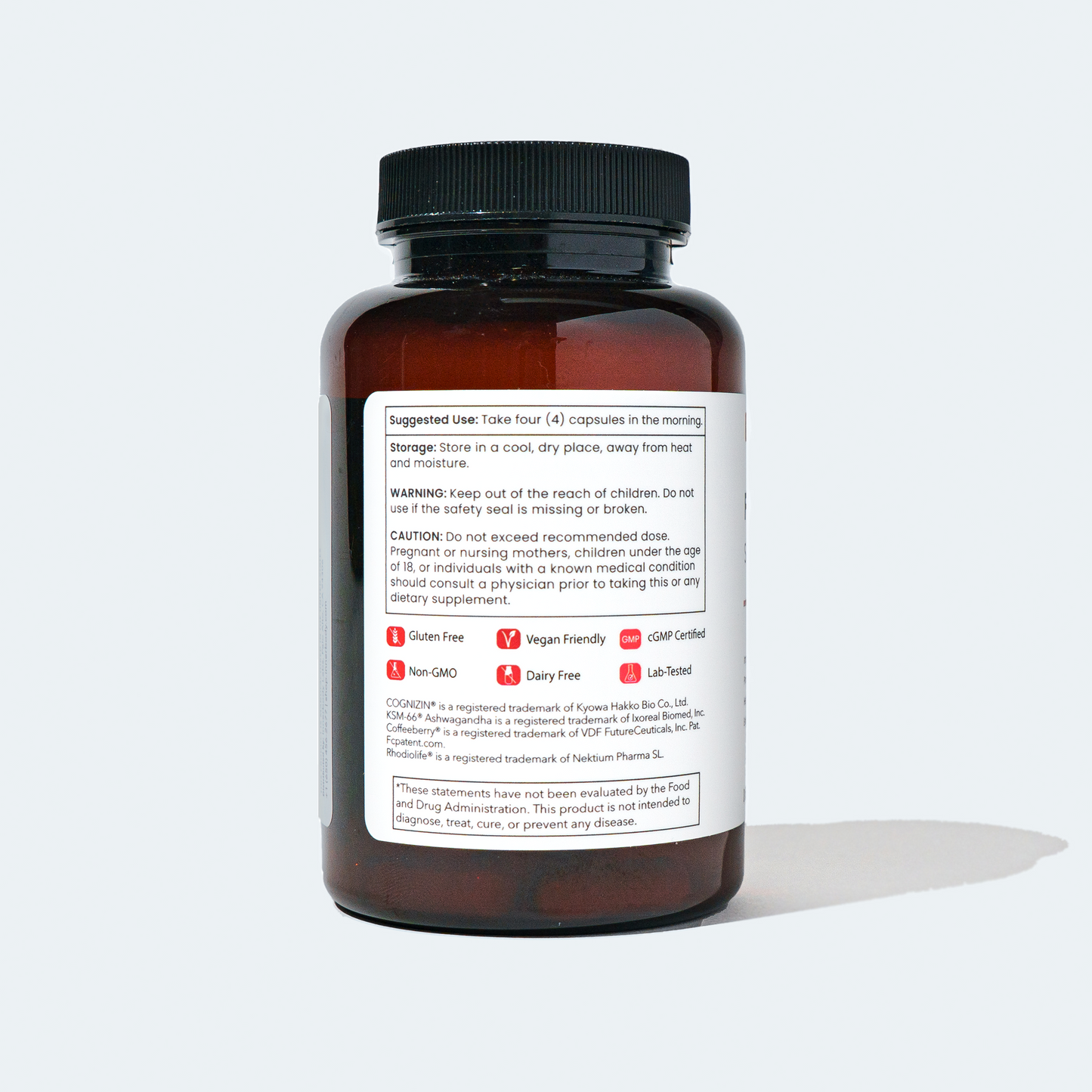
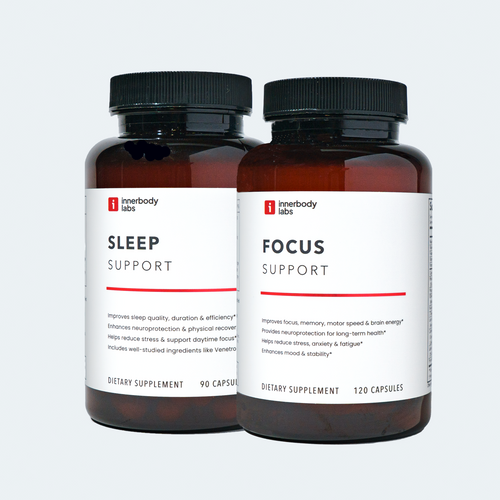
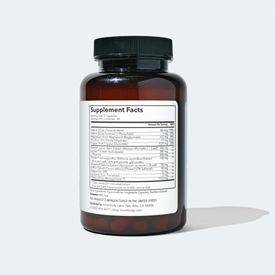
Focus & Restore Stack
A complete system for daytime clarity and nighttime recovery
Designed to promote healthy sleep-wake rhythms, cortisol regulation, and sustained mental performance — using research-aligned ingredients at effective doses.
Couldn't load pickup availability
Key Ingredients
- Cognizin® Citicoline
- Rhodiolife® Rhodiola Rosea Root Extract
- KSM-66® Organic Ashwagandha Extract
- Caffeine from Coffeeberry® Energy
- L-Theanine
- Phosphatidylserine 50%
- Lion's Mane Mushroom Extract (20:1)
- Pyrroloquinoline Quinone (PQQ)
- Saffron Extract
- Lemon Balm Extract, as Relissa®
- Apocynum Venetum (Rafuma) Extract, as Venetron®
- Magnesium
- Zinc and Copper
- Astaxanthin
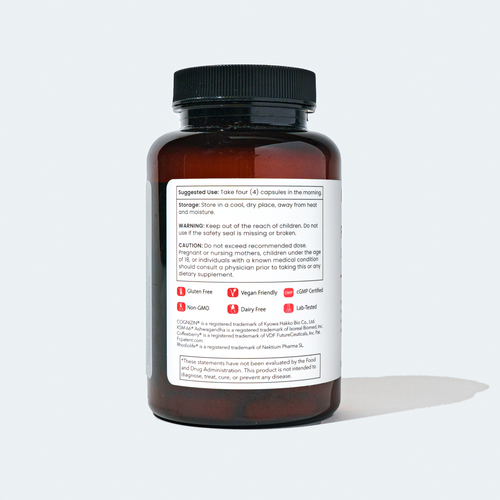
Gluten-Free
Vegetarian Friendly
Non-GMO
Melatonin-Free
cGMP-Certified
Lab-Tested

Supplement Labels
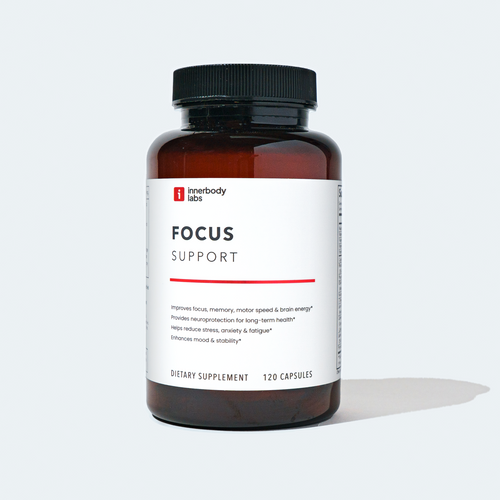
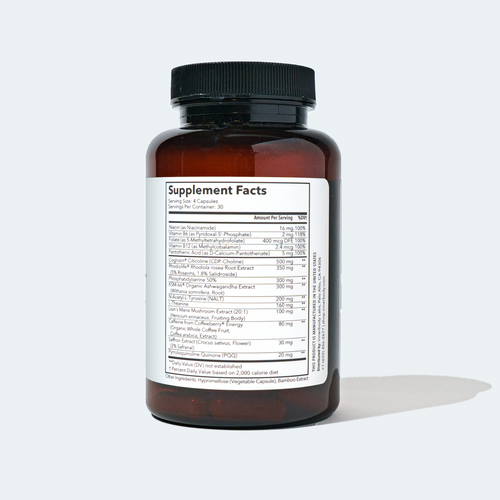
Focus Support
| Amount Per Serving | %DV | |
|---|---|---|
| Folate (as 5-Methyltetrahydrofolate) | 400 mcg DFE | 100% |
| Vitamin B12 (as Methylcobalamin) | 2.4 mcg | 100% |
| Pantothenic Acid (as D-Calcium-Pantothenate) | 5 mg | 100% |
| Cognizin® Citicoline (CDP-Choline) | 500 mg | ** |
| Rhodiolife® Rhodiola rosea Root Extract (5% Rosavins, 1.8% Salidroside) | 350 mg | ** |
| Phosphatidylserine 50% | 300 mg | ** |
| KSM-66® Organic Ashwagandha Extract (Withania somnifera, Root) | 300 mg | ** |
| N-Acetyl-L-Tyrosine (NALT) | 200 mg | ** |
| L-Theanine | 160 mg | ** |
| Lion's Mane Mushroom Extract (20:1) (Hericium erinaceus, Fruiting Body) | 100 mg | ** |
| Caffeine from Coffeeberry® Energy (Organic Whole Coffee Fruit, Coffea arabica, Extract) | 80 mg | ** |
| Saffron Extract (Crocus sativus, Flower) (2% Safranal) | 30 mg | ** |
| Pyrroloquinoline Quinone (PQQ) | 20 mg | ** |
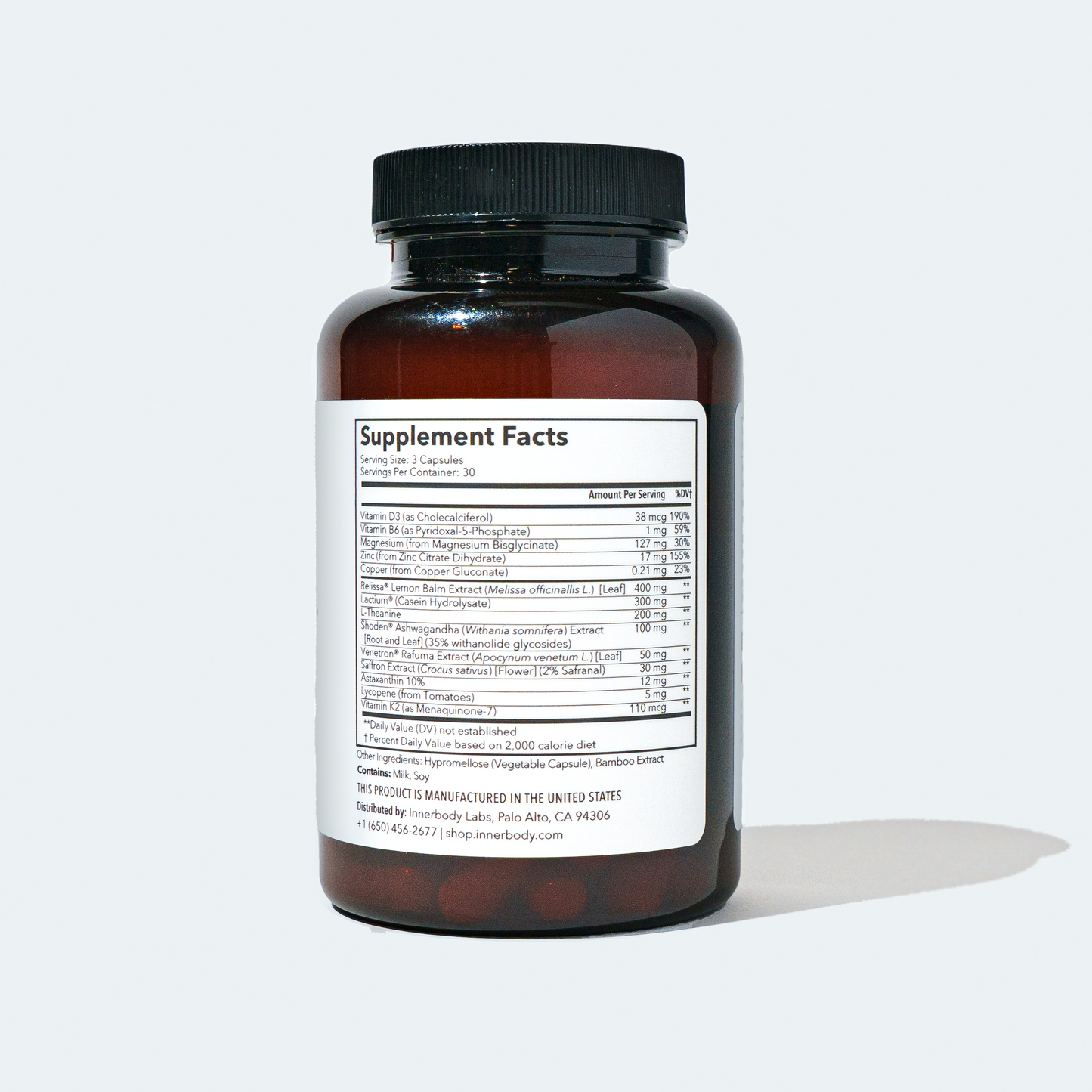
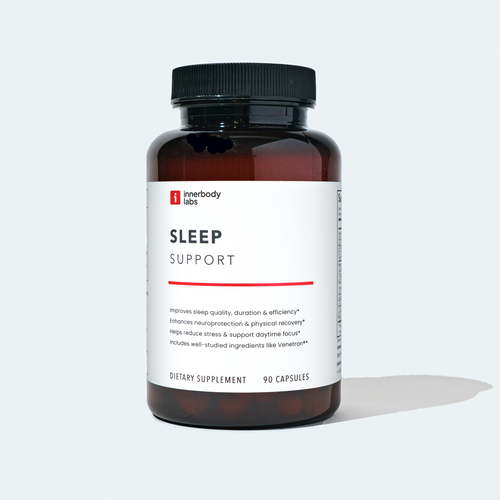
Sleep Support
| Amount Per Serving | %DV | |
|---|---|---|
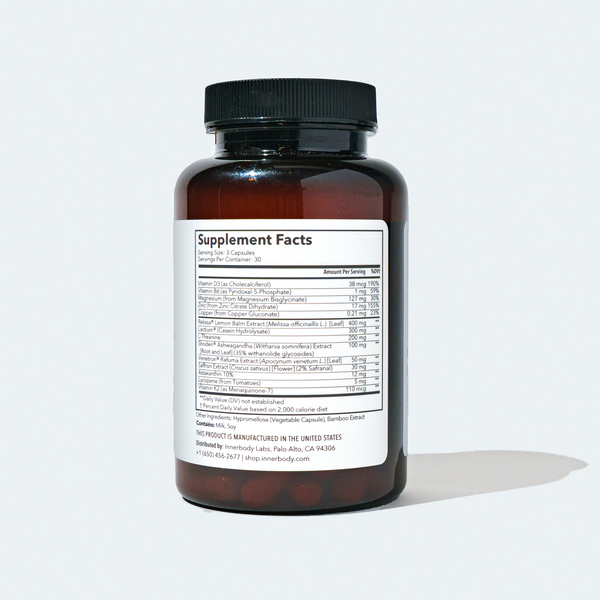
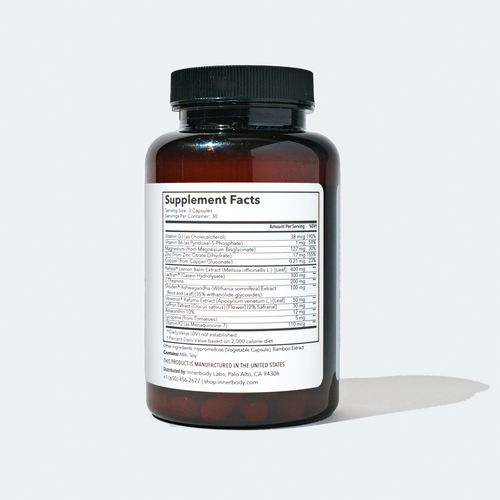
| Vitamin D3 (as Cholecalciferol) | 38 mcg | 190% |
| Vitamin B6 (as Pyridoxal-5-Phosphate) | 1 mg | 59% |
| Magnesium (from Magnesium Bisglycinate) | 127 mg | 30% |
| Zinc (from Zinc Citrate Dihydrate) | 17 mg | 155% |
| Copper (from Copper Gluconate) | 0.21 mg | 23% |
| Relissa® Lemon Balm Extract (Melissa officinalis L.) [Leaf] | 400 mg | ** |
| Lactium® (Casein Hydrolysate) | 300 mg | ** |
| L-Theanine | 200 mg | ** |
| Shoden® Ashwagandha (Withania somnifera) Extract [Root and Leaf] (35% withanolide glycosides) | 100 mg | ** |
| Venetron® Rafuma Extract (Apocynum venetum L.) [Leaf] | 50 mg | ** |
| Saffron Extract (Crocus sativus) [Flower] (2% Safranal) | 30 mg | ** |
| Astaxanthin 10% | 12 mg | ** |
| Lycopene (from Tomatoes) | 5 mg | ** |
| Vitamin K2 (as Menaquinone-7) | 110 mcg | ** |
Customer Reviews
The combined effect was what I had always wanted to get from greens powders and other products before. This bundle is more convenient and works surprisingly better.
Maria S
Verified Buyerbeyond thinking and performing more effectively, i'm lwky just a better person emotionally. my stress was outlandish y'all. i'm my calmer, happier, fun-loving self again. love me some adaptogens.
jen h
Verified BuyerDelivers the help it advertised. I'm basically average body mass and this first month has brought me more rewarding sleep and higher performance during the day.
Felix A
Verified BuyerSleep Support
What customers are saying about sleep support+ *See what we included and why
| Amount Per Serving | %DV | |
|---|---|---|
| Vitamin D3 (as Cholecalciferol) | 38 mcg | 190% |
| Vitamin B6 (as Pyridoxal-5-Phosphate) | 1 mg | 59% |
| Magnesium (from Magnesium Bisglycinate) | 127 mg | 30% |
| Zinc (from Zinc Citrate Dihydrate) | 17 mg | 155% |
| Copper (from Copper Gluconate) | 0.21 mg | 23% |
| Relissa® Lemon Balm Extract (Melissa officinalis L.) [Leaf] | 400 mg | ** |
| Lactium® (Casein Hydrolysate) | 300 mg | ** |
| L-Theanine | 200 mg | ** |
| Shoden® Ashwagandha (Withania somnifera) Extract [Root and Leaf] (35% withanolide glycosides) | 100 mg | ** |
| Venetron® Rafuma Extract (Apocynum venetum L.) [Leaf] | 50 mg | ** |
| Saffron Extract (Crocus sativus) [Flower] (2% Safranal) | 30 mg | ** |
| Astaxanthin 10% | 12 mg | ** |
| Lycopene (from Tomatoes) | 5 mg | ** |
| Vitamin K2 (as Menaquinone-7) | 110 mcg | ** |
| Amount Per Serving | %DV | |
|---|---|---|
| Vitamin D3 (as Cholecalciferol) | 38 mcg | 190% |
| Vitamin B6 (as Pyridoxal-5-Phosphate) | 1 mg | 59% |
| Magnesium (from Magnesium Bisglycinate) | 127 mg | 30% |
| Zinc (from Zinc Citrate Dihydrate) | 17 mg | 155% |
| Copper (from Copper Gluconate) | 0.21 mg | 23% |
| Relissa® Lemon Balm Extract (Melissa officinalis L.) [Leaf] | 400 mg | ** |
| Lactium® (Casein Hydrolysate) | 300 mg | ** |
| L-Theanine | 200 mg | ** |
| Shoden® Ashwagandha (Withania somnifera) Extract [Root and Leaf] (35% withanolide glycosides) | 100 mg | ** |
| Venetron® Rafuma Extract (Apocynum venetum L.) [Leaf] | 50 mg | ** |
| Saffron Extract (Crocus sativus) [Flower] (2% Safranal) | 30 mg | ** |
| Astaxanthin 10% | 12 mg | ** |
| Lycopene (from Tomatoes) | 5 mg | ** |
| Vitamin K2 (as Menaquinone-7) | 110 mcg | ** |
See what we included and why
Improve sleep, reduce anxiety, and support memory and focus*
Ashwagandha helps you sleep better by acting on what’s called the hypothalamic-pituitary-adrenal (HPA) axis — a communication network of organs that govern how we manage stress — as well as by being a modulator of GABA and serotonin. We use a potent branded form called Shoden, whose standardized 35% withanolides content is about seven times higher than KSM-66. With a slightly higher withanolide dose than what you’d get from 600mg of KSM-66, our 100mg dose delivers the bioactive thrust to align well with doses that a systematic review of human trials showed were safe and effective for:
Fall asleep faster, enhance dream quality, and promote recovery*
L-Theanine is an amino acid that people consume in green and black teas, as well as certain mushrooms. Its anxiolytic (anti-anxiety) effects are well studied, as are its abilities to help people sleep better without any negative effects on wakefulness during the day. By itself, our 200mg of L-theanine achieves a therapeutic dose for many people, but our formula goes further. Your chances of achieving better sleep improve because you benefit not only from L-theanine as an individual ingredient but also from its partnership with two other ingredients that studies show work synergistically with it — Lactium® and magnesium. Human studies show that our dose can:
Improve sleep quality without causing sedation*
Lactium® is a branded form of casein hydrolysate and has been studied in humans for its ability to relieve anxiety and promote healthy sleep. Though this decapeptide is derived from cow’s milk, the brand name somewhat misleadingly suggests a connection to lactose; only about 0.6% of Lactium is lactose, which means that a nightly dose of our sleep supplement delivers less than 2mg of lactose — less than what people commonly drink in a glass of lactose-free milk! Research indicates that our 300mg dose can provide benefits that actually build over time with sustained use. It can be effective for:
Alleviate anxiety and sleep problems while supporting daytime cognition*
Human studies demonstrate that lemon balm can provide adaptogenic effects while being safe even for very vulnerable populations. We stand out by providing lemon balm in a standardized, branded form that showed positive results in studies for sleep at our dosage. That’s important; the strength and phytochemical attributes of lemon balm extracts vary widely, and unbranded forms likely don’t possess the same strength of important compounds that yield safe, effective improvements in sleep and mood. Across the landscape of competitors, you’ll find wildly different quantities and strengths of unbranded and branded botanical ingredients like lemon balm. We adhere to the results of clear scientific research by choosing 400mg of Relissa® lemon balm, which can effectively:
Increase deep sleep, curb anxiety, and reduce morning grogginess*
Like lemon balm, Apocynum venetum (or rafuma) has a long history of medicinal use. In recent decades, a branded extract called Venetron® has been used in supplements and has been subjected to six clinical trials. Our 50mg is the standard dose that has been shown in studies to:
Fight sleep disturbances and elevate mood upon waking*
Saffron has been studied extensively, and the best human studies (cumulatively involving hundreds of participants) all point to a few conclusions: it can safely reduce anxiety, promote better sleep quality, and make you feel better when you wake up. Dosing is very important in terms of both the quantity and the quality of an extract. Our 30mg of an extract standardized to contain 2% safranal aligns us with clinical trials that show it can:
Promote restful brain waves while reducing RLS*
You may be surprised to learn that, by some estimates, roughly half of Americans don’t consume enough magnesium. Certain groups are at higher risk than others, but insufficiency can carry major health ramifications — among them, poor sleep. The connection between magnesium and sleep is strong, with research showing that magnesium supplementation positively affects nocturnal hormone secretion and the amount of slow-wave sleep, potentially reversing age-related changes. The 728mg of magnesium glycinate in Sleep Support delivers 127mg of elemental magnesium. Thanks to the glycinate form, this also won’t cause any laxative effect, and the added glycine from it can only further help sleep. Our dose of magnesium positions us comfortably in the midst of supportive human studies that show magnesium can:
Support the body’s regulation of sleep and improve sleep efficiency*
Zinc plays a vital role in our central nervous systems’ ability to regulate our sleep patterns. But you may wonder, why copper? There is some evidence that zinc and copper, together, contribute to longer sleep in males, but the primary reason we include copper in our formula is to safeguard against depletion that can be caused by zinc supplementation. Supplemental zinc in this quantity — perhaps especially alongside astaxanthin — has been shown to:
Fight neurodegeneration and oxidative stress*
Astaxanthin is a carotenoid (antioxidant pigment) found in foods like salmon and shrimp, but Americans don’t consume enough of these carotenoids to avoid the risk of suboptimal sleep duration that results from the deficiency. Researchers have studied the sleep-enhancing effects of taking zinc and astaxanthin together, but studies also show that astaxanthin, by itself, has the ability to:
Optimize sleep duration*
Like astaxanthin, lycopene is a carotenoid that we can obtain through foods we eat — in this case, foods like tomato and watermelon. And unfortunately, like astaxanthin, we tend not to consume enough of it. Studies suggest that lycopene:
Promote deeper sleep while reducing oxidative stress*
As many as one-third of Americans are deficient in vitamin D, and this deficiency can have repercussions for our health, including when it comes to getting proper sleep. Unlike the vast majority of sleep aid formulas, we include vitamin D, and our 1,500IU dose is meaningful enough to address common dietary deficiencies without posing a risk of oversupplementation. Meta-analyses of research studies show that:
Fortify REM sleep and dream recall*
By including vitamin B6, we help you defend against another deficiency that can cause sleep disorders and likely affects one in ten Americans. We chose P5P (pyridoxal 5′-phosphate) because it’s the most bioavailable form of vitamin B6. Its inclusion here means that at the core of this sleep supplement, you find a version of a ZMA supplement — combining zinc, magnesium, and B6 — to aid in muscle recovery. One major difference between ours and a traditional ZMA, of course, is that we opt for magnesium glycinate rather than aspartate to improve the absorption of magnesium and to further promote sleep with the introduction of glycine. Studies show that:
Curb nighttime leg cramps*
Found in certain foods like cheeses and natto (fermented soybeans), vitamin K2 is sometimes called the multitasking vitamin. Unlike vitamin K, it has no specific dietary intake recommendations at this time, yet research indicates that menaquinone-7, a uniquely bioavailable form of vitamin K, has powerful protective and restorative capabilities spanning bone, nerve, muscular, cardiovascular, and cognitive health. Studies show that vitamin K2 can:
Focus Support
What customers are saying about sleep support+ *See what we included and why
| Amount Per Serving | %DV | |
|---|---|---|
| Niacin (as Niacinamide) | 16 mg | 100% |
| Vitamin B6 (as Pyridoxal-5'-Phosphate) | 2 mg | 118% |
| Folate (as 5-Methyltetrahydrofolate) | 400 mcg DFE | 100% |
| Vitamin B12 (as Methylcobalamin) | 2.4 mcg | 100% |
| Pantothenic Acid (as D-Calcium-Pantothenate) | 5 mg | 100% |
| Cognizin® Citicoline (CDP-Choline) | 500 mg | ** |
| Rhodiolife® Rhodiola rosea Root Extract (5% Rosavins, 1.8% Salidroside) | 350 mg | ** |
| Phosphatidylserine 50% | 300 mg | ** |
| KSM-66® Organic Ashwagandha Extract (Withania somnifera, Root) | 300 mg | ** |
| N-Acetyl-L-Tyrosine (NALT) | 200 mg | ** |
| L-Theanine | 160 mg | ** |
| Lion's Mane Mushroom Extract (20:1) (Hericium erinaceus, Fruiting Body) | 100 mg | ** |
| Caffeine from Coffeeberry® Energy (Organic Whole Coffee Fruit, Coffea arabica, Extract) | 80 mg | ** |
| Saffron Extract (Crocus sativus, Flower) (2% Safranal) | 30 mg | ** |
| Pyrroloquinoline Quinone (PQQ) | 20 mg | ** |
| Amount Per Serving | %DV | |
|---|---|---|
| Niacin (as Niacinamide) | 16 mg | 100% |
| Vitamin B6 (as Pyridoxal-5'-Phosphate) | 2 mg | 118% |
| Folate (as 5-Methyltetrahydrofolate) | 400 mcg DFE | 100% |
| Vitamin B12 (as Methylcobalamin) | 2.4 mcg | 100% |
| Pantothenic Acid (as D-Calcium-Pantothenate) | 5 mg | 100% |
| Cognizin® Citicoline (CDP-Choline) | 500 mg | ** |
| Rhodiolife® Rhodiola rosea Root Extract (5% Rosavins, 1.8% Salidroside) | 350 mg | ** |
| Phosphatidylserine 50% | 300 mg | ** |
| KSM-66® Organic Ashwagandha Extract (Withania somnifera, Root) | 300 mg | ** |
| N-Acetyl-L-Tyrosine (NALT) | 200 mg | ** |
| L-Theanine | 160 mg | ** |
| Lion's Mane Mushroom Extract (20:1) (Hericium erinaceus, Fruiting Body) | 100 mg | ** |
| Caffeine from Coffeeberry® Energy (Organic Whole Coffee Fruit, Coffea arabica, Extract) | 80 mg | ** |
| Saffron Extract (Crocus sativus, Flower) (2% Safranal) | 30 mg | ** |
| Pyrroloquinoline Quinone (PQQ) | 20 mg | ** |
See what we included and why
Improve attention, memory, and motor speed*
Citicoline is among several precursors to the critical neurotransmitter acetylcholine, and Cognizin® is the specific branded form of citicoline used most often in human studies. Our 500mg dose has been well tolerated in human studies, and higher doses haven't increased efficacy, making 500mg the ideal dose to include here. Research shows that this dose can:
Bolster mental performance and mood while reducing stress*
The benefits of the botanical ingredient Rhodiola rosea come from two bioactive compounds: rosavins and salidrosides. Using Rhodiolife® guarantees a controlled amount of those two compounds, but we go a step further than our best competitors by offering the form of Rhodiolife® standardized to 5% rosavins and 1.8% salidrosides, allowing our 350mg dose to align with research using a larger quantity of weaker extracts. Human studies show that 4-6 weeks of daily use can:
Reduce cortisol and slow brain aging while strengthening executive function*
Ashwagandha appears in numerous supplements because of its ability, at different doses, to help people achieve a variety of health goals. Its ability to improve cognitive function appears to be not only a direct effect but also a byproduct of other positive effects. Our 300mg of KSM-66 ashwagandha is tailored to provide an effective dose at standardized strength, allowing you to reap the cognitive benefits while stacking it safely with supplements such as our Testosterone Support or others. Human studies show that our dosage can:
Sharpen mental alertness and memory*
Any coffee or tea drinker will readily acknowledge the cognitive benefits of caffeine. At the same time, too much of a good thing can turn focus into jitters, undermining caffeine’s cognitive benefits. That’s why we use Coffeeberry Energy®, an organic whole-fruit coffee berry extract for clean, focused energy. Our dose provides 80mg of caffeine, roughly the same amount as a single shot of espresso — enough to feel its effect, but not so much to require changing your beloved coffee or tea rituals. (And we balance it with L-theanine, as you’ll see below.) As a nootropic, human studies show that caffeine can:
Counteract caffeine jitters while enhancing focus and reaction time*
Those familiar with caffeine-induced jitters can be a thing of the past if you utilize L-theanine alongside it, as we do in our formula. Achieving the proper 2:1 proportion of L-theanine to caffeine is key, based on human research, so this is precisely the balance we achieve with our 160mg of L-theanine. Human studies confirm that L-theanine can:
Improve language and maintain cognitive performance through stress*
Phosphatidylserine is a phospholipid that’s important to cell signalling processes. It has been studied extensively, and our 300mg dose consistently yields positive cognitive results; since higher doses produce similar results, we consider 300mg to be the ideal dose. At this amount, phosphatidylserine can:
Accelerate cognitive speed, enhance neuroprotection, and regulate mood*
Lion’s Mane mushroom shows real promise in cognitive research. Further research will no doubt shed more light on its ability to promote neuroplasticity, but its potential thus far in providing cognitive benefits relies on high doses of 1-2 grams. This is why we use a potent, 20:1 extract, which delivers the equivalent of 2g of lion's mane mushroom per serving. Studies show that this can:
Increase nerve growth factor expression and mitochondrial activation*
We consume small amounts of the powerful antioxidant called pyrroloquinoline quinone (PQQ) in foods like papaya, parsley, and fermented soybeans, and it is also found in human breastmilk. Human studies indicate that PQQ is a powerhouse for neuroprotection and cognitive health. Our 20mg dose is aligned with research that shows it can:
Elevate mood and mimic anti-Alzheimer's drugs for cognitive improvement*
A popular but pricey herb in central Asian cuisine, saffron's medicinal properties lie in bioactive compounds called safranals. These compounds support focus from multiple angles, offering quality of life improvements that go way beyond mere alertness, and our 30mg dose is standardized to contain 2% safranals in every serving — the high end of most clinical research. Specifically, studies show that saffron can:
Prevent cognitive decline and optimize brain function*
B vitamins — especially B6, B9, and B12 — are critical for the brain's physiological and neurological functioning. Not only have deficiencies in several B vitamins been linked to cognitive impairment, but supplementation with B complexes has also been shown to slow cognitive decline. Our formula contains all three at or near 100% of your daily value, as well as B3 and B5 for good measure. Together, these vitamins can:
Fortify dopamine and norepinephrine levels to improve cognitive performance*
The amino acid tyrosine is a precursor to critical neurotransmitters dopamine and norepinephrine, which can decline dramatically under stress. Supplementation helps those numbers stay where they can offer you the most cognitive benefit, and our formula's 200mg provides an ample bump to prevent decline. According to the scientific literature, NALT can:
Supported by clinical research
Improve language and maintain cognitive performance through stress*
PhosphatidylserineReduce cortisol and slow brain aging while strengthening executive function*
AshwagandhaAccelerate cognitive speed, enhance neuroprotection, and regulate mood*
Lion's ManeCounteract caffeine jitters while enhancing focus and reaction time*
L-TheanineIncrease nerve growth factor expression and mitochondrial activation*
PQQEnhance sleep quality and beat back depression and anxiety*
Saffron extractFortify REM sleep and dream recall while reducing daytime drowsiness*
Vitamin B6Fall asleep faster & boost sleep quality*
Lactium® (Casein hydrolysate)Balance mood & bolster sleep maintenance*
Venetron® (Apocynum venetum extract)Fight poor sleep, oxidative stress, depression, and neurodegradation*
AstaxanthinPromote restful brain waves and quell anxiety*
Magnesium glycinateReduce oxidative stress and anxiety while deepening sleep
Vitamin DManage nighttime leg cramps and prevent calcium deposits from vitamin D supplementation*
Vitamin K2Lengthen sleep and prevent depletion from zinc supplementation*
Copper gluconateMcGlade, E., Agoston, A. M., DiMuzio, J., Kizaki, M., Nakazaki, E., Kamiya, T., & Yurgelun-Todd, D. (2019). The Effect of Citicoline Supplementation on Motor Speed and Attention in Adolescent Males. Journal of Attention Disorders, 23(2), 121–134.
Silveri, M. M., Dikan, J., Ross, A. J., Jensen, J. E., Kamiya, T., Kawada, Y., Renshaw, P. F., & Yurgelun-Todd, D. A. (2008). Citicoline enhances frontal lobe bioenergetics as measured by phosphorus magnetic resonance spectroscopy. NMR in Biomedicine, 21(10), 1066–1075.
Fioravanti, M., & Buckley, A. E. (2006). Citicoline (Cognizin) in the treatment of cognitive impairment. Clinical Interventions in Aging, 1(3), 247.
Nakazaki, E., Mah, E., Sanoshy, K., Citrolo, D., & Watanabe, F. (2021). Citicoline and Memory Function in Healthy Older Adults: A Randomized, Double-Blind, Placebo-Controlled Clinical Trial. The Journal of Nutrition, 151(8), 2153.
Al-Gareeb, A. I. (2020). Citicoline Improves Human Vigilance and Visual Working Memory: The Role of Neuronal Activation and Oxidative Stress. Basic and Clinical Neuroscience, 11(4), 423.
Babb, S. M., Appelmans, K. E., Renshaw, P. F., Wurtman, R. J., & Cohen, B. M. (1996). Differential effect of CDP-choline on brain cytosolic choline levels in younger and older subjects as measured by proton magnetic resonance spectroscopy. Psychopharmacology, 127(2), 88–94.
Spiers, P. A., Myers, D., Hochanadel, G. S., Lieberman, H. R., & Wurtman, R. J. (1996). Citicoline improves verbal memory in aging. Archives of Neurology, 53(5), 441–448.
Alvarez, X. A., Laredo, M., Corzo, D., Fernández-Novoa, L., Mouzo, R., Perea, J. E., Daniele, D., & Cacabelos, R. (1997). Citicoline improves memory performance in elderly subjects. Methods and Findings in Experimental and Clinical Pharmacology, 19(3), 201–210.
Alvarez, X. A., Mouzo, R., Pichel, V., Pérez, P., Laredo, M., Fernández-Novoa, L., Corzo, L., Zas, R., Alcaraz, M., Secades, J. J., Lozano, R., & Cacabelos, R. (1999). Double-blind placebo-controlled study with citicoline in APOE genotyped Alzheimer's disease patients. Effects on cognitive performance, brain bioelectrical activity and cerebral perfusion. Methods and Findings in Experimental and Clinical Pharmacology, 21(9), 633–644.
Caamaño, J., Gómez, M. J., Franco, A., & Cacabelos, R. (1994). Effects of CDP-choline on cognition and cerebral hemodynamics in patients with Alzheimer's disease. Methods and Findings in Experimental and Clinical Pharmacology, 16(3), 211–218.
de la Morena E. (1991). Efficacy of CDP-choline in the treatment of senile alterations in memory. Annals of the New York Academy of Sciences, 640, 233–236.
Olsson, E. M., von Schéele, B., & Panossian, A. G. (2009). A randomised, double-blind, placebo-controlled, parallel-group study of the standardised extract shr-5 of the roots of Rhodiola rosea in the treatment of subjects with stress-related fatigue. Planta Medica, 75(2), 105–112.
Darbinyan, V., Aslanyan, G., Amroyan, E., Gabrielyan, E., Malmström, C., & Panossian, A. (2007). Clinical trial of Rhodiola rosea L. extract SHR-5 in the treatment of mild to moderate depression. Nordic Journal of Psychiatry, 61(5), 343–348.
Darbinyan, V., Kteyan, A., Panossian, A., Gabrielian, E., Wikman, G., & Wagner, H. (2000). Rhodiola rosea in stress induced fatigue--a double blind cross-over study of a standardized extract SHR-5 with a repeated low-dose regimen on the mental performance of healthy physicians during night duty. Phytomedicine : International Journal of Phytotherapy and Phytopharmacology, 7(5), 365–371.
Spasov, A. A., Wikman, G. K., Mandrikov, V. B., Mironova, I. A., & Neumoin, V. V. (2000). A double-blind, placebo-controlled pilot study of the stimulating and adaptogenic effect of Rhodiola rosea SHR-5 extract on the fatigue of students caused by stress during an examination period with a repeated low-dose regimen. Phytomedicine: International Journal of Phytotherapy and Phytopharmacology, 7(2), 85–89.
Mao, J. J., Xie, S. X., Zee, J., Soeller, I., Li, Q. S., Rockwell, K., & Amsterdam, J. D. (2015). Rhodiola rosea versus sertraline for major depressive disorder: A randomized placebo-controlled trial. Phytomedicine: International Journal of Phytotherapy and Phytopharmacology, 22(3), 394.
Bystritsky, A., Kerwin, L., & Feusner, J. D. (2008). A pilot study of Rhodiola rosea (Rhodax) for generalized anxiety disorder (GAD). Journal of Alternative and Complementary Medicine (New York, N.Y.), 14(2), 175–180.
Dimpfel, W., Schombert, L., & Panossian, A. G. (2018). Assessing the Quality and Potential Efficacy of Commercial Extracts of Rhodiola rosea L. By Analyzing the Salidroside and Rosavin Content and the Electrophysiological Activity in Hippocampal Long-Term Potentiation, a Synaptic Model of Memory. Frontiers in Pharmacology, 9, 425.
Stojcheva, E. I., & Quintela, J. C. (2022). The Effectiveness of Rhodiola rosea L. Preparations in Alleviating Various Aspects of Life-Stress Symptoms and Stress-Induced Conditions—Encouraging Clinical Evidence. Molecules, 27(12), 3902.
Zheng, Q., Lu, L., & Zheng, Q. (2018). Rhodiola rosea L. Improves Learning and Memory Function: Preclinical Evidence and Possible Mechanisms. Frontiers in Pharmacology, 9, 1415.
Lee, Y., Jung, C., Jang, S., Kim, J., Ali, Z., Khan, I. A., & Oh, S. (2013). Anti-Inflammatory and Neuroprotective Effects of Constituents Isolated from Rhodiola rosea. Evidence-Based Complementary and Alternative Medicine: ECAM, 2013, 514049.
Lekomtseva, Y., Zhukova, I., & Wacker, A. (2017). Rhodiola rosea in Subjects with Prolonged or Chronic Fatigue Symptoms: Results of an Open-Label Clinical Trial. Complementary Medicine Research, 24(1), 46–52.
Tinsley, G. M., Jagim, A. R., Potter, G. D. M., Garner, D., & Galpin, A. J. (2024). Rhodiola rosea as an adaptogen to enhance exercise performance: a review of the literature. The British Journal of Nutrition, 131(3), 461–473.
Benton, D., Donohoe, R. T., Sillance, B., & Nabb, S. (2001). The influence of phosphatidylserine supplementation on mood and heart rate when faced with an acute stressor. Nutritional Neuroscience, 4(3), 169–178.
Hirayama, S., Terasawa, K., Rabeler, R., Hirayama, T., Inoue, T., Tatsumi, Y., Purpura, M., & Jäger, R. (2014). The effect of phosphatidylserine administration on memory and symptoms of attention-deficit hyperactivity disorder: a randomised, double-blind, placebo-controlled clinical trial. Journal of Human Nutrition and Dietetics: the Official Journal of the British Dietetic Association, 27 Suppl 2, 284–291.
Cenacchi, T., Bertoldin, T., Farina, C., Fiori, M. G., & Crepaldi, G. (1993). Cognitive decline in the elderly: a double-blind, placebo-controlled multicenter study on efficacy of phosphatidylserine administration. Aging (Milan, Italy), 5(2), 123–133.
Maggioni, M., Picotti, G. B., Bondiolotti, G. P., Panerai, A., Cenacchi, T., Nobile, P., & Brambilla, F. (1990). Effects of phosphatidylserine therapy in geriatric patients with depressive disorders. Acta Psychiatrica Scandinavica, 81(3), 265–270.
Crook, T. H., Tinklenberg, J., Yesavage, J., Petrie, W., Nunzi, M. G., & Massari, D. C. (1991). Effects of phosphatidylserine in age-associated memory impairment. Neurology, 41(5), 644–649.
Crook, T., Petrie, W., Wells, C., & Massari, D. C. (1992). Effects of phosphatidylserine in Alzheimer's disease. Psychopharmacology Bulletin, 28(1), 61–66.
Monteleone, P., Beinat, L., Tanzillo, C., Maj, M., & Kemali, D. (1990). Effects of phosphatidylserine on the neuroendocrine response to physical stress in humans. Neuroendocrinology, 52(3), 243–248.
Fünfgeld, E. W., Baggen, M., Nedwidek, P., Richstein, B., & Mistlberger, G. (1989). Double-blind study with phosphatidylserine (PS) in parkinsonian patients with senile dementia of Alzheimer's type (SDAT). Progress in Clinical and Biological Research, 317, 1235–1246.
Rosadini, G., Sannita, W. G., Nobili, F., & Cenacchi, T. (1990). Phosphatidylserine: quantitative EEG effects in healthy volunteers. Neuropsychobiology, 24(1), 42–48.
Monteleone, P., Maj, M., Beinat, L., Natale, M., & Kemali, D. (1992). Blunting by chronic phosphatidylserine administration of the stress-induced activation of the hypothalamo-pituitary-adrenal axis in healthy men. European Journal of Clinical Pharmacology, 42(4), 385–388.
Engel, R. R., Satzger, W., Günther, W., Kathmann, N., Bove, D., Gerke, S., Münch, U., & Hippius, H. (1992). Double-blind cross-over study of phosphatidylserine vs. placebo in patients with early dementia of the Alzheimer type. European Neuropsychopharmacology: The Journal of the European College of Neuropsychopharmacology, 2(2), 149–155.
Chandrasekhar, K., Kapoor, J., & Anishetty, S. (2012). A Prospective, Randomized Double-Blind, Placebo-Controlled Study of Safety and Efficacy of a High-Concentration Full-Spectrum Extract of Ashwagandha Root in Reducing Stress and Anxiety in Adults. Indian Journal of Psychological Medicine, 34(3), 255.
Salve, J., Pate, S., Debnath, K., & Langade, D. (2019). Adaptogenic and Anxiolytic Effects of Ashwagandha Root Extract in Healthy Adults: A Double-blind, Randomized, Placebo-controlled Clinical Study. Cureus, 11(12), e6466.
Lopresti, A. L., Smith, S. J., Malvi, H., & Kodgule, R. (2019). An investigation into the stress-relieving and pharmacological actions of an ashwagandha (Withania somnifera) extract: A randomized, double-blind, placebo-controlled study. Medicine, 98(37), e17186.
Deshpande, A., Irani, N., Balkrishnan, R., & Benny, I. R. (2020). A randomized, double blind, placebo controlled study to evaluate the effects of ashwagandha (Withania somnifera) extract on sleep quality in healthy adults. Sleep Medicine, 72, 28-36.
Jagota, A., & Kowshik, K. (2017). Therapeutic effects of ashwagandha in brain aging and clock dysfunction. In (eds) Science of Ashwagandha: Preventative and Therapeutic Potentials, 437-456. Springer, Cham.
Baker, C., Kirby, J. B., O’Connor, J., Lindsay, K. G., Hutchins, A., & Harris, M. (2022). The perceived impact of ashwagandha on stress, sleep quality, energy, and mental clarity for college students: Qualitative analysis of a double-blind randomized control trial. Journal of Medicinal Food, 25(12), 1095-1101.
Gopukumar, K., Thanawala, S., Somepalli, V., Sathyanaryana Rao, T. S., Thamatam, V. B., & Chauhan, S. (2021). Efficacy and Safety of Ashwagandha Root Extract on Cognitive Functions in Healthy, Stressed Adults: A Randomized, Double-Blind, Placebo-Controlled Study. Evidence-Based Complementary and Alternative Medicine, 2021(1), 8254344.
Choudhary, D., Bhattacharyya, S., & Joshi, K. (2017). Body Weight Management in Adults Under Chronic Stress Through Treatment With Ashwagandha Root Extract. Journal of Evidence-Based Complementary & Alternative Medicine.
Ng, Q. X., Loke, W., Foo, N. X., Tan, W. J., Chan, H. W., Lim, D. Y., & Yeo, W. S. (2020). A systematic review of the clinical use of Withania somnifera (Ashwagandha) to ameliorate cognitive dysfunction. Phytotherapy Research, 34(3), 583-590.
Zahiruddin, S., Basist, P., Parveen, A., Parveen, R., Khan, W., & Ahmad, S. (2020). Ashwagandha in brain disorders: A review of recent developments. Journal of Ethnopharmacology, 257, 112876.
Mishra, D. N., & Kumar, M. (2024). Shoden promotes Relief from stress and anxiety: A randomized, double-blind, placebo-controlled study on healthy subjects with high stress levels. Heliyon, 10(17), e36885.
Szućko-Kociuba, I., Trzeciak-Ryczek, A., Kupnicka, P., & Chlubek, D. (2023). Neurotrophic and Neuroprotective Effects of Hericium erinaceus. International Journal of Molecular Sciences, 24(21), 15960.
Cornford, N., & Charnley, M. (2025). Hericium erinaceus: A possible future therapeutic treatment for the prevention and delayed progression of Alzheimer's disease? - A narrative review. Nutrition Research Reviews, 1–15. Advance online publication.
Vigna, L., Morelli, F., Agnelli, G. M., Napolitano, F., Ratto, D., Occhinegro, A., Iorio, C. D., Savino, E., Girometta, C., Brandalise, F., & Rossi, P. (2019). Hericium erinaceus Improves Mood and Sleep Disorders in Patients Affected by Overweight or Obesity: Could Circulating Pro-BDNF and BDNF Be Potential Biomarkers?Evidence-Based Complementary and Alternative Medicine: ECAM, 2019, 7861297.
Mori, K., Inatomi, S., Ouchi, K., Azumi, Y., & Tuchida, T. (2009). Improving effects of the mushroom Yamabushitake (Hericium erinaceus) on mild cognitive impairment: a double-blind placebo-controlled clinical trial. Phytotherapy Research: PTR, 23(3), 367–372.
Docherty, S., Doughty, F. L., & Smith, E. F. (2023). The Acute and Chronic Effects of Lion’s Mane Mushroom Supplementation on Cognitive Function, Stress and Mood in Young Adults: A Double-Blind, Parallel Groups, Pilot Study. Nutrients, 15(22), 4842.
Contato, A. G., & Conte-Junior, C. A. (2025). Lion’s Mane Mushroom (Hericium erinaceus): A Neuroprotective Fungus with Antioxidant, Anti-Inflammatory, and Antimicrobial Potential—A Narrative Review. Nutrients, 17(8), 1307.
Nagano, M., Shimizu, K., Kondo, R., Hayashi, C., Sato, D., Kitagawa, K., & Ohnuki, K. (2010). Reduction of depression and anxiety by 4 weeks Hericium erinaceus intake. Biomedical Research (Tokyo, Japan), 31(4), 231–237.
Saitsu, Y., Nishide, A., Kikushima, K., Shimizu, K., & Ohnuki, K. (2019). Improvement of cognitive functions by oral intake of Hericium erinaceus. Biomedical Research (Tokyo, Japan), 40(4), 125–131.
Friedman M. (2015). Chemistry, Nutrition, and Health-Promoting Properties of Hericium erinaceus (Lion's Mane) Mushroom Fruiting Bodies and Mycelia and Their Bioactive Compounds. Journal of Agricultural and Food Chemistry, 63(32), 7108–7123.
Chong, P. S., Fung, M., Wong, K. H., & Lim, L. W. (2020). Therapeutic Potential of Hericium erinaceus for Depressive Disorder. International Journal of Molecular Sciences, 21(1), 163.
- Loke, W. H. (1988). Effects of caffeine on mood and memory. Physiology & Behavior, 44(3), 367-372.
- Oei, A., & Hartley, L. R. (2005). The effects of caffeine and expectancy on attention and memory. Human Psychopharmacology: Clinical and Experimental, 20(3), 193-202.Sherman, S. M., Buckley, T. P., Baena, E., & Ryan, L. (2016). Caffeine Enhances Memory Performance in Young Adults during Their Non-optimal Time of Day. Frontiers in Psychology, 7, 215446.
- Nehlig, A., Daval, J. L., & Debry, G. (1992). Caffeine and the central nervous system: mechanisms of action, biochemical, metabolic and psychostimulant effects. Brain Research. Brain Research Reviews, 17(2), 139–170.
- Giesbrecht, T., Rycroft, J. A., Rowson, M. J., & De Bruin, E. A. (2010). The combination of L-theanine and caffeine improves cognitive performance and increases subjective alertness. Nutritional Neuroscience, 13(6), 283–290.
- Alhowail A. (2019). Candidate mechanisms of caffeine improving memory dysfunction. Die Pharmazie, 74(12), 705–710.
- Lawson, S. C., Tonkin, S. S., Ziegler, A. M., & Temple, J. L. (2020). Caffeine Enhances Sustained Attention Among Adolescents. Experimental and Clinical Psychopharmacology, 29(1), 82.
- Vázquez, J. C., Palomé, J. L., & Redolar-Ripoll, D. (2022). Effects of Caffeine Consumption on Attention Deficit Hyperactivity Disorder (ADHD) Treatment: A Systematic Review of Animal Studies. Nutrients, 14(4), 739.
- Glade, M. J. (2010). Caffeine—Not just a stimulant. Nutrition, 26(10), 932-938.
- Nehlig, A., & Boyet, S. (2000). Dose–response study of caffeine effects on cerebral functional activity with a specific focus on dependence. Brain Research, 858(1), 71-77.
- Zhang, R., & Madan, C. R. (2021). How does caffeine influence memory? Drug, experimental, and demographic factors. Neuroscience & Biobehavioral Reviews, 131, 525-538.
- Cappelletti, S., Daria, P., Sani, G., & Aromatario, M. (2015). Caffeine: Cognitive and Physical Performance Enhancer or Psychoactive Drug?Current Neuropharmacology, 13(1), 71.
- Kimura, K., Ozeki, M., Juneja, L. R., & Ohira, H. (2007). L-Theanine reduces psychological and physiological stress responses. Biological Psychology, 74(1), 39–45.
- Baba, Y., Inagaki, S., Nakagawa, S., Kaneko, T., Kobayashi, M., & Takihara, T. (2021). Effects of l-Theanine on Cognitive Function in Middle-Aged and Older Subjects: A Randomized Placebo-Controlled Study. Journal of Medicinal Food, 24(4), 333.
- Higashiyama, A., Htay, H. H., Ozeki, M., Juneja, L. R., & Kapoor, M. P. (2011). Effects of l-theanine on attention and reaction time response. Journal of Functional Foods, 3(3), 171-178.
- Nobre, A. C., Rao, A., & Owen, G. N. (2008). L-theanine, a natural constituent in tea, and its effect on mental state. Asia Pacific Journal of Clinical Nutrition, 17 Suppl 1, 167–168.
- Li, Y., Liu, Y., Wu, T., Kenaan, A., Geng, F., Li, B., Gunaratne, A., Li, H., & Gan, Y. (2022). L-Theanine: A Unique Functional Amino Acid in Tea (Camellia sinensis L.) With Multiple Health Benefits and Food Applications. Frontiers in Nutrition, 9, 853846.
- Kelly, S. P., Gomez-Ramirez, M., Montesi, J. L., & Foxe, J. J. (2008). L-Theanine and Caffeine in Combination Affect Human Cognition as Evidenced by Oscillatory alpha-Band Activity and Attention Task Performance. The Journal of Nutrition, 138(8), 1572S-1577S.
- Dashwood, R., & Visioli, F. (2025). L-theanine: From tea leaf to trending supplement – does the science match the hype for brain health and relaxation?Nutrition Research, 134, 39-48.
- Nematizadeh, M., Ghorbanzadeh, H., Moghaddam, H. S., Shalbafan, M., Boroon, M., Keshavarz-Akhlaghi, A. A., & Akhondzadeh, S. (2023). L-theanine combination therapy with fluvoxamine in moderate-to-severe obsessive-compulsive disorder: A placebo-controlled, double-blind, randomized trial. Psychiatry and Clinical Neurosciences, 77(9), 478–485.
- Giesbrecht, T., Rycroft, J. A., Rowson, M. J., & De Bruin, E. A. (2010). The combination of L-theanine and caffeine improves cognitive performance and increases subjective alertness. Nutritional Neuroscience, 13(6), 283–290.
- Juneja, L. R., Chu, D., Okubo, T., Nagato, Y., & Yokogoshi, H. (1999). L-theanine—A unique amino acid of green tea and its relaxation effect in humans. Trends in Food Science & Technology, 10(6-7), 199-204.
- Owen, G. N., Parnell, H., De Bruin, E. A., & Rycroft, J. A. (2008). The combined effects of L-theanine and caffeine on cognitive performance and mood.Nutritional Neuroscience, 11(4), 193–198.
- Bulman, A., Marx, W., Turner, M., McKune, A., & Naumovski, N. (2023). The Effects of L-Theanine Supplementation on Quality of Sleep: A Systematic Review.Proceedings, 91(1), 32.
- Sohail, A. A., Ortiz, F., Varghese, T., Fabara, S. P., Batth, A. S., Sandesara, D. P., Sabir, A., Khurana, M., Datta, S., & Patel, U. K. (2021). The Cognitive-Enhancing Outcomes of Caffeine and L-theanine: A Systematic Review. Cureus, 13(12), e20828.
Ikemoto, K., Mohamad Ishak, N. S., & Akagawa, M. (2024). The effects of pyrroloquinoline quinone disodium salt on brain function and physiological processes. The Journal of Medical Investigation: JMI, 71(1.2), 23–28.
Tamakoshi, M., Suzuki, T., Nishihara, E., Nakamura, S., & Ikemoto, K. (2023). Pyrroloquinoline quinone disodium salt improves brain function in both younger and older adults. Food & Function, 14(5), 2496–2501.
Itoh, Y., Hine, K., Miura, H., Uetake, T., Nakano, M., Takemura, N., & Sakatani, K. (2016). Effect of the Antioxidant Supplement Pyrroloquinoline Quinone Disodium Salt (BioPQQ™) on Cognitive Functions. Advances in Experimental Medicine and Biology, 876, 319–325.
Sangha, V., Aboulhassane, S., Qu, Q. R., & Bendayan, R. (2023). Protective effects of pyrroloquinoline quinone in brain folate deficiency. Fluids and Barriers of the CNS, 20, 84.
Shiojima, Y., Takahashi, M., Takahashi, R., Moriyama, H., Bagchi, D., Bagchi, M., & Akanuma, M. (2022). Effect of Dietary Pyrroloquinoline Quinone Disodium Salt on Cognitive Function in Healthy Volunteers: A Randomized, Double-Blind, Placebo-Controlled, Parallel-Group Study. Journal of the American Nutrition Association, 41(8), 796–809.
Baltic, S., Nedeljkovic, D., Todorovic, N., Ranisavljev, M., Korovljev, D., Cvejic, J., Ostojic, J., LeBaron, T. W., Timmcke, J., Stajer, V., & Ostojic, S. M. (2024). The impact of six-week dihydrogen-pyrroloquinoline quinone supplementation on mitochondrial biomarkers, brain metabolism, and cognition in elderly individuals with mild cognitive impairment: a randomized controlled trial. The Journal of Nutrition, Health & Aging, 28(8), 100287.
Zhang, P., Ye, Y., Qian, Y., Yin, B., Zhao, J., Zhu, S., Zhang, L., & Yan, M. (2017). The Effect of Pyrroloquinoline Quinone on Apoptosis and Autophagy in Traumatic Brain Injury. CNS & Neurological Disorders Drug Targets, 16(6), 724–736.
Li, X., Sun, Y., Zhou, Z., Li, J., Liu, S., Chen, L., Shi, Y., Wang, M., Zhu, Z., Wang, G., & Lu, Q. (2024). Deep Learning‐Driven Exploration of Pyrroloquinoline Quinone Neuroprotective Activity in Alzheimer's Disease. Advanced Science, 11(18), 2308970.
Ye, Y., Zhang, P., Qian, Y., Yin, B., & Yan, M. (2017). The Effect of Pyrroloquinoline Quinone on the Expression of WISP1 in Traumatic Brain Injury. Stem Cells International, 2017, 4782820.
Zhang, L., Liu, J., Cheng, C., Yuan, Y., Yu, B., Shen, A., & Yan, M. (2012). The Neuroprotective Effect of Pyrroloquinoline Quinone on Traumatic Brain Injury. Journal of Neurotrauma, 29(5), 851.
Wen, J., Shen, J., Zhou, Y., Zhao, X., Dai, Z., & Jin, Y. (2020). Pyrroloquinoline quinone attenuates isoproterenol hydrochloride-induced cardiac hypertrophy in AC16 cells by inhibiting the NF-κB signaling pathway. International Journal of Molecular Medicine, 45(3), 873.
Jonscher, K. R., Chowanadisai, W., & Rucker, R. B. (2021). Pyrroloquinoline-Quinone Is More Than an Antioxidant: A Vitamin-like Accessory Factor Important in Health and Disease Prevention. Biomolecules, 11(10), 1441.
Jongkees, B. J., Hommel, B., Kühn, S., & Colzato, L. S. (2015). Effect of tyrosine supplementation on clinical and healthy populations under stress or cognitive demands--A review. Journal of Psychiatric Research, 70, 50–57.
Steenbergen, L., Sellaro, R., Hommel, B., & Colzato, L. S. (2015). Tyrosine promotes cognitive flexibility: evidence from proactive vs. reactive control during task switching performance. Neuropsychologia, 69, 50–55.
Bloemendaal, M., Froböse, M. I., Wegman, J., Zandbelt, B. B., Cools, R., & Aarts, E. (2018). Neuro-Cognitive Effects of Acute Tyrosine Administration on Reactive and Proactive Response Inhibition in Healthy Older Adults. ENeuro, 5(2), ENEURO.0035-17.2018.
Hase, A., Jung, S. E., & Aan het Rot, M. (2015). Behavioral and cognitive effects of tyrosine intake in healthy human adults. Pharmacology Biochemistry and Behavior, 133, 1-6.
Coull, N. A., Watkins, S. L., Aldous, J. W., Warren, L. K., Chrismas, B. C., Dascombe, B., Mauger, A. R., Abt, G., & Taylor, L. (2015). Effect of tyrosine ingestion on cognitive and physical performance utilising an intermittent soccer performance test (iSPT) in a warm environment. European Journal of Applied Physiology, 115(2), 373–386.
Deijen, J. B., & Orlebeke, J. F. (1994). Effect of tyrosine on cognitive function and blood pressure under stress. Brain Research Bulletin, 33(3), 319–323.
Thomas, J. R., Lockwood, P. A., Singh, A., & Deuster, P. A. (1999). Tyrosine Improves Working Memory in a Multitasking Environment. Pharmacology Biochemistry and Behavior, 64(3), 495-500.
Mahoney, C. R., Castellani, J., Kramer, F. M., Young, A., & Lieberman, H. R. (2007). Tyrosine supplementation mitigates working memory decrements during cold exposure. Physiology & Behavior, 92(4), 575-582.
Kennedy, D. O. (2016). B Vitamins and the Brain: Mechanisms, Dose and Efficacy—A Review. Nutrients, 8(2), 68.
Wang, Z., Zhu, W., Xing, Y., Jia, J., & Tang, Y. (2022). B vitamins and prevention of cognitive decline and incident dementia: a systematic review and meta-analysis. Nutrition Reviews, 80(4), 931–949.
Smith, A. D., & Refsum, H. (2016). Homocysteine, B Vitamins, and Cognitive Impairment. Annual Review of Nutrition, 36, 211–239.
Morris, M. S. (2012). The Role of B Vitamins in Preventing and Treating Cognitive Impairment and Decline. Advances in Nutrition, 3(6), 801.
Ford, A. H., & Almeida, O. P. (2019). Effect of Vitamin B Supplementation on Cognitive Function in the Elderly: A Systematic Review and Meta-Analysis. Drugs & aging, 36(5), 419–434.
Xu, H., Wang, S., Gao, F., & Li, C. (2022, March 9). Vitamin B6, B9, and B12 Intakes and Cognitive Performance in Elders: National Health and Nutrition Examination Survey, 2011–2014. Neuropsychiatr Dis Treat. 2022;18:537-553.
Chang, B., Wang, Z., Xu, T., Chen, J., Zhang, Y., Huang, Y., & Sun, D. (2023). Effectiveness of vitamin-B supplements on cognition in older adults: A meta-analysis. Geriatric Nursing, 51, 143-149.
Kim, H., Kim, G., Jang, W., Kim, S. Y., & Chang, N. (2014). Association between intake of B vitamins and cognitive function in elderly Koreans with cognitive impairment. Nutrition Journal, 13, 118.
- Sadat Rafiei, S. K., Abolghasemi, S., Frashidi, M., Ebrahimi, S., Gharei, F., Razmkhah, Z., Tavousi, N., Mahmoudvand, B., Faani, M., Karimi, N., Abdi, A., Soleimanzadeh, M., Youshanlui, M. A., Sadatmadani, F., Alikhani, R., Pishkari, Y., & Deravi, N. (2023). Saffron and Sleep Quality: A Systematic Review of Randomized Controlled Trials. Nutrition and Metabolic Insights, 16, 11786388231160317.
- Lopresti, A. L., Smith, S. J., Metse, A. P., & Drummond, P. D. (2020). Effects of saffron on sleep quality in healthy adults with self-reported poor sleep: A randomized, double-blind, placebo-controlled trial. Journal of Clinical Sleep Medicine: Official Publication of the American Academy of Sleep Medicine, 16(6), 937.
- ZMilajerdi, A., Jazayeri, S., Shirzadi, E., Hashemzadeh, N., Azizgol, A., Djazayery, A., Esmaillzadeh, A., & Akhondzadeh, S. (2018). The effects of alcoholic extract of saffron (Crocus satious L.) on mild to moderate comorbid depression-anxiety, sleep quality, and life satisfaction in type 2 diabetes mellitus: A double-blind, randomized and placebo-controlled clinical trial. Complementary Therapies in Medicine, 41, 196–202.
- Pachikian, B. D., Copine, S., Suchareau, M., & Deldicque, L. (2021). Effects of Saffron Extract on Sleep Quality: A Randomized Double-Blind Controlled Clinical Trial. Nutrients, 13(5), 1473.
- Kell, G., Rao, A., Beccaria, G., Clayton, P., Inarejos-García, A. M., & Prodanov, M. (2017). affron® a novel saffron extract (Crocus sativus L.) improves mood in healthy adults over 4 weeks in a double-blind, parallel, randomized, placebo-controlled clinical trial. Complementary Therapies in Medicine, 33, 58–64.
- Lian, J., Zhong, Y., Li, H., Yang, S., Wang, J., Li, X., Zhou, X., & Chen, G. (2022). Effects of saffron supplementation on improving sleep quality: A meta-analysis of randomized controlled trials. Sleep Medicine, 92, 24-33.
- Lopresti, A. L., Smith, S. J., & Drummond, P. D. (2021). An investigation into an evening intake of a saffron extract (affron®) on sleep quality, cortisol, and melatonin concentrations in adults with poor sleep: a randomised, double-blind, placebo-controlled, multi-dose study. Sleep Medicine, 86, 7–18.
- Kell, G., Rao, A., Beccaria, G., Clayton, P., Inarejos-García, A. M., & Prodanov, M. (2017). affron® a novel saffron extract (Crocus sativus L.) improves mood in healthy adults over 4 weeks in a double-blind, parallel, randomized, placebo-controlled clinical trial. Complementary Therapies in Medicine, 33, 58–64.
- Ahmadpanah, M., Ramezanshams, F., Ghaleiha, A., Akhondzadeh, S., Sadeghi Bahmani, D., & Brand, S. (2019). Crocus Sativus L. (saffron) versus sertraline on symptoms of depression among older people with major depressive disorders-a double-blind, randomized intervention study. Psychiatry Research, 282, 112613.
- Cerdá-Bernad, D., Costa, L., Serra, A. T., Bronze, M. R., Valero-Cases, E., Pérez-Llamas, F., Candela, M. E., Arnao, M. B., Barberán, F. T., Villalba, R. G., García-Conesa, T., & Frutos, J. (2022). Saffron against Neuro-Cognitive Disorders: An Overview of Its Main Bioactive Compounds, Their Metabolic Fate and Potential Mechanisms of Neurological Protection. Nutrients, 14(24), 5368.
- Shafiee, M., Arekhi, S., Omranzadeh, A., & Sahebkar, A. (2018). Saffron in the treatment of depression, anxiety and other mental disorders: Current evidence and potential mechanisms of action. Journal of Affective Disorders, 227, 330-337.
- Adventure-Heart, D. J., Madden, N. A., & Delfabbro, P. (2018). Effects of Vitamin B6 (Pyridoxine) and a B Complex Preparation on Dreaming and Sleep. Perceptual and Motor Skills. 125(3)
- Ebben, M., Lequerica, A., & Spielman, A. (2002). Effects of pyridoxine on dreaming: a preliminary study. Perceptual and Motor Skills, 94(1), 135–140.
- Ge, L., Luo, J., Zhang, L., Kang, X., & Zhang, D. (2022). Association of Pyridoxal 5′-Phosphate with Sleep-Related Problems in a General Population. Nutrients, 14(17), 3516.
- Jadidi, A., Ashtiani, A. R., Hezaveh, A. K., & Aghaepour, S. M. (2022). Therapeutic effects of magnesium and vitamin B6 in alleviating the symptoms of restless legs syndrome: A randomized controlled clinical trial. BMC Complementary Medicine and Therapies, 23, 1.
- Kennedy, D. O. (2016). B Vitamins and the Brain: Mechanisms, Dose and Efficacy—A Review. Nutrients, 8(2), 68.
- Wang, Z., Zhu, W., Xing, Y., Jia, J., & Tang, Y. (2022). B vitamins and prevention of cognitive decline and incident dementia: a systematic review and meta-analysis. Nutrition Reviews, 80(4), 931–949.
- Smith, A. D., & Refsum, H. (2016). Homocysteine, B Vitamins, and Cognitive Impairment. Annual Review of Nutrition, 36, 211–239.
- Morris, M. S. (2012). The Role of B Vitamins in Preventing and Treating Cognitive Impairment and Decline. Advances in Nutrition, 3(6), 801.
- Ford, A. H., & Almeida, O. P. (2019). Effect of Vitamin B Supplementation on Cognitive Function in the Elderly: A Systematic Review and Meta-Analysis. Drugs & aging, 36(5), 419–434.
- Xu, H., Wang, S., Gao, F., & Li, C. (2022, March 9). Vitamin B6, B9, and B12 Intakes and Cognitive Performance in Elders: National Health and Nutrition Examination Survey, 2011–2014. Neuropsychiatr Dis Treat. 2022;18:537-553.
- Chang, B., Wang, Z., Xu, T., Chen, J., Zhang, Y., Huang, Y., & Sun, D. (2023). Effectiveness of vitamin-B supplements on cognition in older adults: A meta-analysis. Geriatric Nursing, 51, 143-149.
- Kim, H., Kim, G., Jang, W., Kim, S. Y., & Chang, N. (2014). Association between intake of B vitamins and cognitive function in elderly Koreans with cognitive impairment. Nutrition Journal, 13, 118.
- Chang, C. M., Tsai, I. J., Yang, C. C., Liu, W. C., & Yang, C. P. (2024). The impact of Alpha-s1 Casein hydrolysate on chronic insomnia: A randomized, double-blind controlled trial. Clinical Nutrition (Edinburgh, Scotland), 43(12), 275–284.
- Kim, H. J., Kim, J., Lee, S., Kim, B., Kwon, E., Lee, J. E., Chun, M. Y., Lee, C. Y., Boulier, A., Oh, S., & Lee, H. W. (2019). A Double-Blind, Randomized, Placebo-Controlled Crossover Clinical Study of the Effects of Alpha-s1 Casein Hydrolysate on Sleep Disturbance. Nutrients, 11(7), 1466.
- Chang, C., Tsai, I., Yang, C., Liu, W., & Yang, C. (2024). The impact of Alpha-s1 Casein hydrolysate on chronic insomnia: A randomized, double-blind controlled trial. Clinical Nutrition, 43(12), 275-284.
- Scholey, A., Benson, S., Gibbs, A., Perry, N., Sarris, J., & Murray, G. (2017). Exploring the Effect of Lactium™ and Zizyphus Complex on Sleep Quality: A Double-Blind, Randomized Placebo-Controlled Trial. Nutrients, 9(2), 154.
- Thiagarajah, K., Chee, H. P., & Sit, N. W. (2022). Effect of Alpha-S1-Casein Tryptic Hydrolysate and L-Theanine on Poor Sleep Quality: A Double Blind, Randomized Placebo-Controlled Crossover Trial. Nutrients, 14(3), 652.
- Kim, J. H., Desor, D., Kim, Y. T., Yoon, W. J., Kim, K. S., Jun, J. S., Pyun, K. H., & Shim, I. (2007). Efficacy of alphas1-casein hydrolysate on stress-related symptoms in women. European Journal of Clinical Nutrition, 61(4), 536–541.
- Messaoudi, M., Lefranc-Millot, C., Desor, D., Demagny, B., & Bourdon, L. (2005). Effects of a tryptic hydrolysate from bovine milk alphaS1-casein on hemodynamic responses in healthy human volunteers facing successive mental and physical stress situations. European Journal of Nutrition, 44(2), 128–132.
- Yayeh, T., Leem, H., Kim, M., Jung, C., Schwarz, J., Oh, W., & Oh, S. (2018). Administration of Alphas1-Casein Hydrolysate Increases Sleep and Modulates GABAA Receptor Subunit Expression. Biomolecules & Therapeutics, 26(3), 268.
- Pierro, F. D., Sisti, D., Rocchi, M., Belli, A., Bertuccioli, A., Cazzaniga, M., Palazzi, C. M., Tanda, M. L., & Zerbinati, N. (2024). Effects of Melissa officinalis Phytosome on Sleep Quality: Results of a Prospective, Double-Blind, Placebo-Controlled, and Cross-Over Study. Nutrients, 16(23), 4199.
- Shirazi, M., Jalalian, M. N., Abed, M., & Ghaemi, M. (2021). The Effectiveness of Melissa Officinalis L. Versus Citalopram on Quality of Life of Menopausal Women with Sleep Disorder: A Randomized Double-Blind Clinical Trial. RBGO Gynecology & Obstetrics, 43(2), 126.
- Cases, J., Ibarra, A., Feuillère, N., Roller, M., & Sukkar, S. G. (2010). Pilot trial of Melissa officinalis L. Leaf extract in the treatment of volunteers suffering from mild-to-moderate anxiety disorders and sleep disturbances. Mediterranean Journal of Nutrition and Metabolism.
- Haybar, H., Javid, A. Z., Haghighizadeh, M. H., Valizadeh, E., Mohaghegh, S. M., & Mohammadzadeh, A. (2018). The effects of Melissa officinalis supplementation on depression, anxiety, stress, and sleep disorder in patients with chronic stable angina. Clinical Nutrition ESPEN, 26, 47–52.
- Soltanpour, A., Alijaniha, F., Naseri, M., Kazemnejad, A., & Heidari, M. R. (2019). Effects of Melissa officinalis on anxiety and sleep quality in patients undergoing coronary artery bypass surgery: A double-blind randomized placebo controlled trial. European Journal of Integrative Medicine, 28, 27-32.
- Chehroudi, S. , Fatemi, M. J. , Saberi Isfeedvajani, M. , Salehi, S. H. , Akbari, H. and Samimi, R. (2017). Effects of Melissa officinalis L. on Reducing Stress, Alleviating Anxiety Disorders, Depression, and Insomnia, and Increasing Total Antioxidants in Burn Patients. Trauma Monthly, 22(4)
- Safari, M., Asadi, A., Aryaeian, N., Huseini, H. F., Jazayeri, S., Malek, M., & Hosseini, A. F. (2023). The effects of melissa officinalis on depression and anxiety in type 2 diabetes patients with depression: A randomized double-blinded placebo-controlled clinical trial. BMC Complementary Medicine and Therapies, 23, 140.
- Kennedy, D. O., Wake, G., Savelev, S., Tildesley, N. T., Perry, E. K., Wesnes, K. A., & Scholey, A. B. (2003). Modulation of mood and cognitive performance following acute administration of single doses of Melissa officinalis (Lemon balm) with human CNS nicotinic and muscarinic receptor-binding properties. Neuropsychopharmacology : Official Publication of the American College of Neuropsychopharmacology, 28(10), 1871–1881.
- Shirazi, M., Jalalian, M. N., Abed, M., & Ghaemi, M. (2021). The Effectiveness of Melissa Officinalis L. versus Citalopram on Quality of Life of Menopausal Women with Sleep Disorder: A Randomized Double-Blind Clinical Trial. Revista Brasileira de Ginecologia e Obstetrícia, 43(2), 126-130.
- Ghazizadeh, J., Sadigh-Eteghad, S., Marx, W., Fakhari, A., Hamedeyazdan, S., Torbati, M., Taheri-Tarighi, S., & Mirghafourvand, M. (2021). The effects of lemon balm (Melissa officinalis L.) on depression and anxiety in clinical trials: A systematic review and meta-analysis. Phytotherapy Research, 35(12), 6690-6705.
- Mathews, I. M., Eastwood, J., Lamport, D. J., Cozannet, R. L., & Williams, C. M. (2024). Clinical Efficacy and Tolerability of Lemon Balm (Melissa officinalis L.) in Psychological Well-Being: A Review. Nutrients, 16(20), 3545.
- Asami Nakata and et. al. (2018). Effect of an Apocynum venetum Leaf Extract (VENETRON®)on Sleep Quality andPsychological Stress Improvement―A Randomized, Double—blind, Placebo—controlled Crossover Study. 薬理と治療, 46, 117-125
- Tomoko Kuniyoshi and et. al. (2023). Effect of Apocynum venetum leaf extract (VENETRON®)on unidentified complaints relating menstruation in healthy female subjects ―A randomized, double—blind, placebo—controlled parallel—group comparison study. 薬理と治療, 51, 1685-1696
- Yamatsu, A., Yamashita, Y., Maru, I., Yang, J., Tatsuzaki, J., & Kim, M. (2015). The Improvement of Sleep by Oral Intake of GABA and Apocynum venetum Leaf Extract. Journal of Nutritional Science and Vitaminology, 61(2), 182–187.
- Imafuku, F., Yamamoto, K., Tanaka, E., Aoki, R., & Nishino, S. (2023). Analysis of the Effects of Known Sleep-Support Supplements in Relation to Life Habits, Sleep Conditions, and Sleep Problems. Nutrients, 15(10), 2377.
- Butterweck, V., Simbrey, K., Seo, S., Sasaki, T., & Nishibe, S. (2003). Long-term effects of an Apocynum venetum extract on brain monoamine levels and beta-AR density in rats. Pharmacology, Biochemistry, and Behavior, 75(3), 557–564.
- Xie, W., Zhang, X., Wang, T., & Hu, J. (2012). Botany, traditional uses, phytochemistry and pharmacology of Apocynum venetum L. (Luobuma): A review. Journal of Ethnopharmacology, 141(1), 1–8.
- Kim, D., Choi, G., Kim, S., Kim, J., Oh, D., Jin, T., Yang, J., & Cho, S. (2025). Sleep-promoting effects and potential mechanisms of Apocynum venetum leaf extract (VENETRON®): Effects of acute and chronic treatment on the sleep-wake profiles in mice. Journal of Ethnopharmacology, 350, 120008.
- Li, X., Wu, T., Yu, Z., Li, T., Zhang, J., Zhang, Z., Cai, M., Zhang, W., Xiang, J., & Cai, D. (2018). Apocynum venetum leaf extract reverses depressive-like behaviors in chronically stressed rats by inhibiting oxidative stress and apoptosis. Biomedicine & Pharmacotherapy, 100, 394-406.
- Zheng, M., Fan, Y., Shi, D., & Liu, C. (2013). Antidepressant-like effect of flavonoids extracted from Apocynum venetum leaves on brain monoamine levels and dopaminergic system. Journal of Ethnopharmacology, 147(1), 108-113.
- White, K. P., Hewlings, S., Moseley, M., Moseley, M., D'Adamo, C. R., Colwell, C. S., Chen, J., & Pauli, E. K. (2025). A Randomized, Placebo-Controlled, Double-Blind Trial to Assess the Effects of Apocynum venetum L. (A. venetum) Venetron® on Sleep and Stress in Those Expressing Feelings of Anxiety. Preprints.
- Peng, F., Wang, L., Gu, H., & Zeng, Q. (2023). Effects of astaxanthin on depressive and sleep symptoms: A narrative mini-review. Heliyon, 9(7), e18288.
- Hayashi, M., Kawamura, M., Kawashima, Y., Uemura, T., & Maoka, T. (2020). Effect of astaxanthin-rich extract derived from Paracoccus carotinifaciens on the status of stress and sleep in adults. Journal of Clinical Biochemistry and Nutrition, 66(2), 92.
- Saito, H., Cherasse, Y., Suzuki, R., Mitarai, M., Ueda, F., & Urade, Y. (2017). Zinc-rich oysters as well as zinc-yeast- and astaxanthin-enriched food improved sleep efficiency and sleep onset in a randomized controlled trial of healthy individuals. Molecular Nutrition & Food Research, 61(5), 10.1002/mnfr.201600882.
- Jiang, X., Zhu, K., Xu, Q., Wang, G., Zhang, J., Cao, R., Ye, J., & Yu, X. (2017). The antidepressant-like effect of trans-astaxanthin involves the serotonergic system. Oncotarget, 8(15), 25552.
- Donoso, A., González-Durán, J., Muñoz, A. A., González, P. A., & Agurto-Muñoz, C. (2021). Therapeutic uses of natural astaxanthin: An evidence-based review focused on human clinical trials. Pharmacological Research, 166, 105479.
- Guerin, M., Huntley, M. E., & Olaizola, M. (2003). Haematococcus astaxanthin: applications for human health and nutrition. Trends in Biotechnology, 21(5), 210–216.
- Galasso, C., Orefice, I., Pellone, P., Cirino, P., Miele, R., Ianora, A., Brunet, C., & Sansone, C. (2018). On the Neuroprotective Role of Astaxanthin: New Perspectives?Marine Drugs, 16(8), 247.
- Wu, H., Niu, H., Shao, A., Wu, C., Dixon, B. J., Zhang, J., Yang, S., & Wang, Y. (2015). Astaxanthin as a Potential Neuroprotective Agent for Neurological Diseases. Marine Drugs, 13(9), 5750.
- Iwabayashi, M., Fujioka, N., Nomoto, K., et.al. (2009). Efficacy and safety of eight-week treatment with astaxanthin in individuals screened for increased oxidative stress burden. Anti-aging Medicine. 6. 15-21. 10.3793/jaam.6.15.
- Ke, Y., Bu, S., Ma, H., Gao, L., Cai, Y., Zhang, Y., & Zhou, W. (2020). Preventive and Therapeutic Effects of Astaxanthin on Depressive-Like Behaviors in High-Fat Diet and Streptozotocin-Treated Rats. Frontiers in Pharmacology, 10, 1621.
- Zhou, X. Y., Zhang, F., Hu, X. T., Chen, J., Tang, R. X., Zheng, K. Y., & Song, Y. J. (2017). Depression can be prevented by astaxanthin through inhibition of hippocampal inflammation in diabetic mice. Brain Research, 1657, 262–268.
- Forouzanfar, F. (2023). Effect of Tomato (Solanum lycopersicum) Extract in Patients with Primary Insomnia: A Double-blind Randomized Study. Central Nervous System Agents in Medicinal Chemistry, 23(2), 137–143.
- Yang, T., Chen, Y. C., Ou, T., & Chien, Y. (2020). Dietary supplement of tomato can accelerate urinary aMT6s level and improve sleep quality in obese postmenopausal women. Clinical Nutrition, 39(1), 291-297.
- Deng, G., Liu, F., Wang, K., Liang, Y., Nie, Q., & Liu, J. (2023). Relationship between dietary carotenoid intake and sleep duration in American adults: A population-based study. Nutrition Journal, 22, 68.
- Grandner, M. A., Jackson, N., Gerstner, J. R., & Knutson, K. L. (2013). Dietary nutrients associated with short and long sleep duration. Data from a nationally representative sample. Appetite, 64, 71.
- Grandner, M. A., Jackson, N., Gerstner, J. R., & Knutson, K. L. (2013). Sleep Symptoms Associated with Intake of Specific Dietary Nutrients. Journal of Sleep Research, 23(1), 22.
- Khan, U. M., Sevindik, M., Zarrabi, A., Nami, M., Ozdemir, B., Kaplan, D. N., Selamoglu, Z., Hasan, M., Kumar, M., Alshehri, M. M., & Sharifi-Rad, J. (2021). Lycopene: Food Sources, Biological Activities, and Human Health Benefits. Oxidative Medicine and Cellular Longevity, 2021(1), 2713511.
- Boozari, B., Moradi, S., Heydarpour, F., Clark, C. C. T., Nezamoleslami, S., Saneei, P., & Safavi, S. M. (2022). The association between carotenoid intake, mental health, and sleep quality among university students. Sleep & breathing = Schlaf & Atmung, 26(2), 829–837.
- Molkara, T. & Forouzanfar, F., Hamedi, S., Aghaee, A. & Goldoozian, R. & Rakhshandeh, H. (2018). Hypnotic effect of solanum lycopersicum and solanum nigrum on pentobarbital-induced sleep in mice. Plant Archives. 18. 449-456.
- Pan, H., & Lin, S. (2024). Association between dietary total antioxidant capacity and sleep problems and depressive symptoms among U.S. Adults. Frontiers in Nutrition, 11, 1450815.
- Murcia-Lesmes, D., Domínguez-López, I., Laveriano-Santos, E. P., Tresserra-Rimbau, A., Castro-Barquero, S., Estruch, R., Vazquez-Ruiz, Z., Ruiz-Canela, M., Razquin, C., Corella, D., Sorli, J. V., Salas-Salvadó, J., Pérez-Vega, K. A., Gómez-Gracia, E., Lapetra, J., Arós, F., Fiol, M., Serra-Majem, L., Pinto, X., Ros, E., … Lamuela-Raventós, R. M. (2024). Association between tomato consumption and blood pressure in an older population at high cardiovascular risk: observational analysis of PREDIMED trial. European journal of Preventive Cardiology, 31(8), 922–934.
- López-Yerena, A., Padro, T., Villaplana, S., Muñoz-García, N., Pérez, A., Vilahur, G., & Badimon, L. (2023). Vascular and Platelet Effects of Tomato Soffritto Intake in Overweight and Obese Subjects. Nutrients, 15(24), 5084.
- Rawji, A., Peltier, M. R., Mourtzanakis, et. al. (2024). Examining the Effects of Supplemental Magnesium on Self-Reported Anxiety and Sleep Quality: A Systematic Review. Cureus, 16(4), e59317.
- Abbasi, B., Kimiagar, M., Sadeghniiat, K., et. al. (2012). The effect of magnesium supplementation on primary insomnia in elderly: A double-blind placebo-controlled clinical trial. Journal of Research in Medical Sciences : The Official Journal of Isfahan University of Medical Sciences, 17(12), 1161.
- Saba, S., Faizi, F., Sepandi, M., et. al. (2022). Effect of short-term magnesium supplementation on anxiety, depression and sleep quality in patients after open-heart surgery. Effect of short-term magnesium supplementation on anxiety, depression and sleep quality in patients after open-heart surgery. Magnesium Research, 35(2), 62–70.
- Noah, L., Morel, V., Bertin, C., et. al. (2022). Effect of a Combination of Magnesium, B Vitamins, Rhodiola, and Green Tea (L-Theanine) on Chronically Stressed Healthy Individuals—A Randomized, Placebo-Controlled Study. Nutrients, 14(9), 1863.
- Chollet, D., Franken, P., Raffin, Y., et. al. (2001). Magnesium involvement in sleep: genetic and nutritional models. Behavior Genetics, 31(5), 413–425
- Hausenblas, H. A., Lynch, T., Hooper, S., et. al. (2024). Magnesium-L-threonate improves sleep quality and daytime functioning in adults with self-reported sleep problems: A randomized controlled trial. Sleep Medicine: X, 8, 100121.
- Hornyak, M., Voderholzer, U., Hohagen, et. al. (1998). Magnesium therapy for periodic leg movements-related insomnia and restless legs syndrome: an open pilot study. Sleep, 21(5), 501–505.
- Luo, X., Tang, M., Wei, X., et. al. (2024). Association between magnesium deficiency score and sleep quality in adults: A population-based cross-sectional study. Journal of Affective Disorders, 358, 105-112.
- Held, K., Antonijevic, I. A., Künzel, H., et. al. (2002). Oral Mg(2+) supplementation reverses age-related neuroendocrine and sleep EEG changes in humans. Pharmacopsychiatry, 35(4), 135–143.
- Macian, N., Dualé, C., Voute, M., et. al. (2022). Short-Term Magnesium Therapy Alleviates Moderate Stress in Patients with Fibromyalgia: A Randomized Double-Blind Clinical Trial. Nutrients, 14(10), 2088.
- De Souza, M. C., Walker, A. F., Robinson, P. A., et. al. (2000). A synergistic effect of a daily supplement for 1 month of 200 mg magnesium plus 50 mg vitamin B6 for the relief of anxiety-related premenstrual symptoms: a randomized, double-blind, crossover study. Journal of Women's Health & Gender-Based Medicine, 9(2), 131–139.
- Fard, F. E., Mirghafourvand, M., Mohammad-Alizadeh Charandabi, S., et. al. (2017). Effects of zinc and magnesium supplements on postpartum depression and anxiety: A randomized controlled clinical trial. Women & Health, 57(9), 1115–1128.
- Noah, L., Pickering, G., Mazur, A., et. al. (2020). Impact of magnesium supplementation, in combination with vitamin B6, on stress and magnesium status: secondary data from a randomized controlled trial. Magnesium Research, 33(3), 45–57.
- Khalid, S., Bashir, S., Mehboob, R., et. al. (2024). Effects of magnesium and potassium supplementation on insomnia and sleep hormones in patients with diabetes mellitus. Frontiers in Endocrinology, 15, 1370733.
- Cherasse, Y., & Urade, Y. (2017). Dietary Zinc Acts as a Sleep Modulator. International Journal of Molecular Sciences, 18(11), 2334.
- Jazinaki, M. S., Gheflati, A., Shadmand Foumani Moghadam, et. al. (2024). Effects of zinc supplementation on sleep quality in humans: A systematic review of randomized controlled trials. Health Science Reports, 7(10), e70019.
- Gholipour Baradari, A., Alipour, A., Mahdavi, A., et. al. (2018). The Effect of Zinc Supplementation on Sleep Quality of ICU Nurses: A Double Blinded Randomized Controlled Trial. Workplace Health & Safety, 66(4), 191–200.
- Gallagher, C., Austin, V., Dunlop, K. A., et. al. (2024). Effects of Supplementing Zinc Magnesium Aspartate on Sleep Quality and Submaximal Weightlifting Performance, following Two Consecutive Nights of Partial Sleep Deprivation. Nutrients, 16(2), 251.
- Jia, Y. N., Sun, J., Chen, L., et. al. (2022). Associations of Serum Zinc, Copper, and Zinc/Copper Ratio with Sleep Duration in Adults. Biological Trace Element Research, 200(6), 2651–2659.
- Hajianfar, H., Mollaghasemi, N., Tavakoly, R., et. al. (2021). The Association Between Dietary Zinc Intake and Health Status, Including Mental Health and Sleep Quality, Among Iranian Female Students. Biological Trace Element Research, 199(5), 1754–1761.
- Saito, H., Cherasse, Y., Suzuki, R., et. al. (2017). Zinc-rich oysters as well as zinc-yeast- and astaxanthin-enriched food improved sleep efficiency and sleep onset in a randomized controlled trial of healthy individuals. Molecular Nutrition & Food Research, 61(5), 10.1002/mnfr.201600882.
- Hamedifard, Z., Farrokhian, A., Reiner, Ž., et. al. (2020). The effects of combined magnesium and zinc supplementation on metabolic status in patients with type 2 diabetes mellitus and coronary heart disease. Lipids in Health and Disease, 19, 112.
- Edwards, B. J., Adam, R. L., Drummond, D., et. al. (2024). Effects of an Acute Dose of Zinc Monomethionine Asparate and Magnesium Asparate (ZMA) on Subsequent Sleep and Next-Day Morning Performance (Countermovement Jumps, Repeated Sprints and Stroop Test). Nutrients, 16(15), 2466.
- Jafari, F., Tarrahi, M. J., Farhang, A., et. al. (2020). Effect of zinc supplementation on quality of life and sleep quality in young women with premenstrual syndrome: a randomized, double-blind, placebo-controlled trial. Archives of Gynecology and Obstetrics, 302(3), 657–664.
- Olechnowicz, J., Tinkov, A., Skalny, A., et. al. (2017). Zinc status is associated with inflammation, oxidative stress, lipid, and glucose metabolism. The Journal of Physiological Sciences : JPS, 68(1), 19.
- Mirzaei-Azandaryani, Z., Abdolalipour, S., & Mirghafourvand, M. (2022). The effect of vitamin D on sleep quality: A systematic review and meta-analysis. Nutrition and Health.
- Gao, Q., Kou, T., Zhuang, B., et. al. (2018). The Association between Vitamin D Deficiency and Sleep Disorders: A Systematic Review and Meta-Analysis. Nutrients, 10(10), 1395.
- Abboud, M. (2022). Vitamin D Supplementation and Sleep: A Systematic Review and Meta-Analysis of Intervention Studies. Nutrients, 14(5), 1076.
- Miao, Y., Zhang, L., Zhang, D., et. al. (2024). Effects of vitamin D and/or calcium intervention on sleep quality in individuals with prediabetes: a post hoc analysis of a randomized controlled trial. European Journal of Nutrition, 63(4), 1187–1201.
- Majid, M. S., Ahmad, H. S., Bizhan, H., et. al. (2018). The effect of vitamin D supplement on the score and quality of sleep in 20-50 year-old people with sleep disorders compared with control group. Nutritional Neuroscience, 21(7), 511–519.
- de Oliveira, D. L., Hirotsu, C., Tufik, S., et. al. (2017). The interfaces between vitamin D, sleep and pain. Journal of Endocrinology, 234(1), R23-R36.
- Mason, C., Dieu Tapsoba, J. D., Duggan, C., et. al. (2016). Repletion of Vitamin D associated with deterioration of sleep quality among postmenopausal women. Preventive Medicine, 93, 166.
- Zhu, C., Zhang, Y., Wang, T., et. al. (2020). Vitamin D supplementation improves anxiety but not depression symptoms in patients with vitamin D deficiency. Brain and Behavior, 10(11), e01760.
- Muscogiuri, G., Barrea, L., Scannapieco, M., et. al. (2019). The lullaby of the sun: The role of vitamin D in sleep disturbance. Sleep Medicine, 54, 262-265.
- Forrest, K. Y., & Stuhldreher, W. L. (2011). Prevalence and correlates of vitamin D deficiency in US adults. Nutrition Research (New York, N.Y.), 31(1), 48–54.
- Cojic, M., Kocic, R., Klisic, A., et. al. (2021). The Effects of Vitamin D Supplementation on Metabolic and Oxidative Stress Markers in Patients With Type 2 Diabetes: A 6-Month Follow Up Randomized Controlled Study. Frontiers in Endocrinology, 12, 610893.
- Ostadmohammadi, V., Jamilian, M., Bahmani, F., et. al. (2019). Vitamin D and probiotic co-supplementation affects mental health, hormonal, inflammatory and oxidative stress parameters in women with polycystic ovary syndrome. Journal of Ovarian Research, 12, 5.
- Hansen, A. L., Ambroziak, G., Thornton, D., et. al. (2020). Vitamin D Supplementation during Winter: Effects on Stress Resilience in a Randomized Control Trial. Nutrients, 12(11), 3258.
- Tan, J., Zhu, R., Li, Y., et. al. (2024). Vitamin K2 in Managing Nocturnal Leg Cramps: A Randomized Clinical Trial. JAMA Internal Medicine, 184(12), 1443.
- Masterjohn, C. (2007). Vitamin D toxicity redefined: Vitamin K and the molecular mechanism. Medical Hypotheses, 68(5), 1026-1034.
- Ferland, G. (2012). Vitamin K, an emerging nutrient in brain function. BioFactors, 38(2), 151-157.
- Karamzad, N., Maleki, V., Carson-Chahhoud, K., et. al. (2020). A systematic review on the mechanisms of vitamin K effects on the complications of diabetes and pre-diabetes. BioFactors, 46(1), 21-37.
- Bolzetta, F., Veronese, N., Stubbs, B., et. al. (2019). The Relationship between Dietary Vitamin K and Depressive Symptoms in Late Adulthood: A Cross-Sectional Analysis from a Large Cohort Study. Nutrients, 11(4), 787.
- Hashim, M. H., Ramli, N. N., Nasarudin, S. N., et. al. (2025). Exploring the Link Between Vitamin K and Depression: A Systematic Review. Medicina, 61(5), 861.
- Wang, T., He, Y., Le, J., et. al. (2024). Associations Between Vitamin K and Suicide Attempts in Patients with Depression: A Case-Control Study. Journal of Inflammation Research, 17, 3423
- Tarkesh, F., Jahromi, B. N., Hejazi, N., et. al. (2022). Effect of vitamin K2 administration on depression status in patients with polycystic ovary syndrome: A randomized clinical trial. BMC Women's Health, 22, 315.
- Alisi, L., Cao, R., De Angelis, C., et. al. (2019). The Relationships Between Vitamin K and Cognition: A Review of Current Evidence. Frontiers in Neurology, 10, 416803.
- Zhang, Y., Tan, W., Xi, X., et. al. (2023). Association between vitamin K intake and depressive symptoms in US adults: Data from the National Health and Nutrition Examination Survey (NHANES) 2013–2018. Frontiers in Nutrition, 10, 1102109.
- Gancheva, S. M., & Zhelyazkova-Savova, M. D. (2016). Vitamin K2 Improves Anxiety and Depression but not Cognition in Rats with Metabolic Syndrome: a Role of Blood Glucose?. Folia Medica, 58(4), 264–272.
- Pilz, S., Tomaschitz, A., Grübler, M. R., et. al. (2017). The Synergistic Interplay between Vitamins D and K for Bone and Cardiovascular Health: A Narrative Review. International Journal of Endocrinology, 2017(1), 7454376.
- Hoffman, H. N., Phyliky, R. L., & Fleming, C. (1988). Zinc-induced copper deficiency. Gastroenterology, 94(2), 508-512.
- Duncan, A., Yacoubian, C., Watson, N., et. al. (2015). The risk of copper deficiency in patients prescribed zinc supplements. Journal of Clinical Pathology 2015;68:723-725.
- Willis, M. S., Monaghan, S. A., Miller, M. L., et. al. (2005). Zinc-Induced Copper Deficiency: A Report of Three Cases Initially Recognized on Bone Marrow Examination. American Journal of Clinical Pathology, 123(1), 125-131.
- Nishime, K., Kondo, M., Saito, K., et. al. (2020). Zinc Burden Evokes Copper Deficiency in the Hypoalbuminemic Hemodialysis Patients. Nutrients, 12(2), 577.
- L'Abbé, M. R., & Fischer, P. W. (1984). The Effects of High Dietary Zinc and Copper Deficiency on the Activity of Copper-Requiring Metalloenzymes in the Growing Rat. The Journal of Nutrition, 114(5), 813-822.
- Osredkar, J. (2011). Copper and Zinc, Biological Role and Significance of Copper/Zinc Imbalance. Journal of Clinical Toxicology. s3. 10.4172/2161-0495.S3-001.
- Altarelli, M., Ben-Hamouda, N., Schneider, A., et. al. (2019). Copper Deficiency: Causes, Manifestations, and Treatment. Nutrition in Clinical Practice, 34(4), 504-513.
- Jia, Y. N., Sun, J., Chen, L., et. al. (2022). Associations of Serum Zinc, Copper, and Zinc/Copper Ratio with Sleep Duration in Adults. Biological Trace Element Research, 200(6), 2651–2659.
- Song, C. H., Kim, Y. H., & Jung, K. I. (2012). Associations of zinc and copper levels in serum and hair with sleep duration in adult women. Biological Trace Element Research, 149(1), 16–21.
Rafuma (Venetron®)
Apocynum venetum grows in wet and sandy coastal areas throughout northern Asia and southern Europe, from Italy to Japan. Also known as sword-leaf dogbane, Rafuma, and Luo Bu Ma, it has been brewed as a tea in traditional medicine. Human studies of this branded extract show that it can improve sleep quality while reducing stress.
Saffron
Derived from the delicate styles and stigma of the Crocus sativus flower, saffron is an age-old cooking spice, coloring agent, and traditional medicine. It's both an adaptogen and a nootropic. Human studies show that our dosage and extract strength can improve sleep and relaxation as well as mood and cognition upon awakening.
Lemon Balm (Relissa®)
This perennial herb (Melissa officinalis) brings a delicate lemon scent to many American backyards. Human studies confirm what centuries of traditional healing practices maintained — that lemon balm can be an effective ingredient for improving sleep, relieving anxiety, and promoting daytime focus. We use a branded extract whose specific properties and strength of hydroxycinnamic and rosmarinic acids have been used in research.
Ashwagandha extract
Used for centuries in traditional Ayurvedic medicine, Ashwagandha (Withania somnifera) is an adaptogenic herb native to India and North Africa. Believe it or not, it's actually part of the nightshade family, like tomato and potato, but clinical trials show that ashwagandha aids in sleep, stress management, and cognition. This bundle utilizes KSM-66® for daytime benefit and Shoden® to lower cortisol before bedtime.
Whole coffee berries (Coffeeberry® Energy)
Coffee arabica plants produce small, fragrant white blossoms, which are soon replaced by bright red berries. It's the beans within these berries that people ultimately roast for brewing. Alongside caffeine, a whole-berry extract like ours is a trove of antioxidants, essential amino acids, and other nutrients.
Lion's mane mushroom
An adaptogenic mushroom native in temperate regions of the northern hemisphere, lion's mane (Hericium erinaceus) has been prized for centuries in both Chinese medicine and, for the lucky forager, on the dinner plate. Our potent extract packs 2g of fruiting body into each serving to achieve cognitive benefits.
Rhodiola (Rhodiolife®)
Native to arctic regions of North America, Asia, and Europe, Rhodiola rosea is a shrub that produces attractive yellow flowers, but its roots have been the focus of traditional medicinal use. Our potent, branded extract can elevate cognition, focus, and mood while reducing anxiety.
Customer reviews
What customers are saying about sleep support+ *- SUSANA L.Verified BuyerHow old are you? Over 65What is your gender? MaleHow long have you been taking this product? 3–6 monthsHow consistently do you take it? Every dayRated 3 out of 5 stars1 week agoSomewhat effective
For the most part helpful, however some days I still have some problems with sustained attention.
Was this helpful? - Doug T.Verified BuyerI recommend this productRated 4 out of 5 stars3 weeks agoSplit Decision. . .
First the good - Focus Support seems to work for me! Maybe it is the caffeine from the coffeeberry, coupled with the 160 mg of L-theanine I have noticed lasting energy throughout most of the day! The other great ingredients may take more time to do their work on cognition - so I will be patient! One well researched ingredient that Focus Support is missing is Bacopa monnieri. I will consider taking that one on its own.
The Sleep Support, so far is not having the same positive results for me. For a more restful sleep I may go back to a more simple stack of magnesium, valerian root, and tart cherry.
Was this helpful? - Victoria L.Verified BuyerI recommend this productRated 5 out of 5 stars2 months agoThese two supplements achieve what the company said they would!
I first learned of the supplements in reading articles written by Sahil Bloom. He reviews products that mean a great deal to him personally and then shares them with his readership. I was able to achieve a deeper more restorative sleep which has been documented by my Fitbit tracker. The deeper sleep allowed for greater performance in the number of steps and my cardio load. The Focus supplement recreated my morning routine that meant so much to me. I lost this routine after a back injury and consequent depression. I believe in this product!
Was this helpful?
Frequently Asked Questions
How did Innerbody Labs choose the ingredients in this bundle?
We've spent thousands of hours researching supplemental ingredients for sleep and cognitive health and comparing products available on the market. In formulating our supplements, we followed the most compelling scientific research at this time in our attempt to protect you from investing in products whose effectiveness is unpredictable. We don't think an investment in your health should be a gamble. Therefore, we rely on human studies and meta-analyses, not animal or in vitro studies.
We also exercise caution and regard promising ingredients with enough humility to use quantities that align with studies whose design clarifies effective dosage and strength. If that isn’t possible, we don’t consider the ingredient acceptable for inclusion. (Some botanical ingredients are evidently promising, yet their effective dosages and strengths remain less clear because the design of research may have relied on interventions like the steeping of teas.)
Ultimately, our formula is designed to contain ingredients that human research has shown to be effective and well-tolerated for promoting factors that contribute to improved cognitive performance, healthy sleep, stress reduction, and physical and neurological recovery. A couple ingredients are also included to enhance the safety of supplementing with others. Together, the ingredients in our formula can support sleep and cognition in a comprehensive and sustainable way — helping you fall asleep faster, wake up less in the night, achieve restorative stages of sleep, optimize the duration of sleep, wake up feeling sharper and more refreshed, maintain focus and clarity during your productive days, and guard against neurodegeneration over time. This isn't an unhealthy supplement that you might use in acute, desperate scenarios, but a regimen you can take each day to optimize cognitive performance.
Why doesn’t it contain melatonin?
What we chose to omit from our sleep supplement defines our product just as much as what we saw fit to include. Over the past decade, it's become increasingly common for Americans to supplement with the hormone melatonin — and in higher doses. Unfortunately, while melatonin can be effective as a short-term sleep aid, health experts seldom advise long-term use. Too little is understood about the effects of chronic melatonin supplementation in humans, but concerns arise from what appear to be risks in animal studies, such as a risk to proper learning and memory. (In the United Kingdom, meanwhile, melatonin is available only by prescription due to the potential adverse effects perceived with its overuse as well as concerns about the quality of supplements on the market.)
Oral melatonin supplements can cause short-term side effects like depression, irritability, confusion, and grogginess. Though there isn’t an apparent risk of dependency, melatonin has a naturally antagonistic relationship with another hormone that plays a fundamental role in mental and physical health: dopamine. Scientists acknowledge that melatonin, a hormone produced naturally by the pineal gland, has effects on other organs that are still not well understood.
If that weren’t enough reason to use it only occasionally, a recent survey of 110 melatonin supplements marketed for children found that they contained wildly different levels of melatonin than what the label indicated (up to 667% more).
A few more facts to add to this picture:
- Oral melatonin bioavailability is notoriously variable from person to person, but some estimates put it around 15%.
- Meanwhile, researchers have concluded that the human body naturally produces less than 0.3mg of melatonin per day, though the amount naturally produced is also variable!
- Many sleep aids offer melatonin in quantities of 3mg, 5mg, or more. Even in an amount of 3mg and with an assumed bioavailability of 15%, those supplements deliver more melatonin than a person’s body ever produced — though the amount in excess would be unclear.
We avoid melatonin because we think there are safer alternatives that support the body’s own healthy production of melatonin (such as magnesium).
Should I cycle either or both products in this bundle?
There is no need to cycle, and in fact, there are good reasons not to cycle. The best reasons to use this bundle daily are:
- You benefit the most from ingredients that promote recovery and neuroprotection.
- You experience the most profound sleep and cognitive improvements thanks to some ingredients whose effects build over time.
Can I use this bundle with other supplements or medications?
We formulate Sleep Support with safety and effectiveness front and center, guided by human studies. For this reason, we exclude several common sleep-aid or nootropic ingredients in order to help avoid grogginess, long-term risk to cognitive health, habituation, and quite a few potential drug interactions. For many people, this bundle will be safe to take alongside other supplements or medications. But no effective list of ingredients — including ours — will be appropriate for every interested person, and there's no replacement for a thorough discussion with your doctor. Ingredients in supplements such as these may not be suitable for people with bipolar disorder, heart problems, liver problems, or other underlying health concerns, and some drug interactions are possible; as with any supplement, talk to your doctor before you begin. Only then can you be certain that it’s safe for you.
What is an adaptogen?
While the term “adaptogen” isn’t fully accepted within the scientific community and lacks a formal pharmacological definition, it is widely used to describe botanical ingredients (e.g., certain mushroom and plant extracts) that help you restore homeostasis (proper physiological balance) in the face of stressors that negatively affect mental health, exercise recovery, and quality of sleep.
Our formula contains four ingredients that are popularly known as adaptogens — ashwagandha, lion’s mane mushroom, rhodiola, and saffron. We also include several other ingredients that, though not widely regarded as such, nonetheless produce effects that could be described as adaptogenic.
What is a nootropic?
A “nootropic” is a substance that can improve cognitive functioning in some way. With this kind of a broad definition, nootropics include a variety of substances such as prescription medications like methylphenidate (Ritalin) and rivastigmine (Excelon); ingredients found in nutritional supplements, like citicoline and PQQ, for example; and even certain recreational drugs. Focus Support contains 13 nootropic ingredients that improve cognitive performance in a multitude of ways.
Do you ship internationally?
We ship internationally to Canada, Australia, Ireland, New Zealand, and the United Kingdom. These orders will ship DDP (Delivered Duty Paid) — meaning duties, fees, and taxes are collected at checkout — to ensure a smoother delivery experience for you, with no surprise charges upon arrival. (Learn more about our Shipping Policy).Innerbody Labs also ships to Army post offices.
Please note that international orders are all sales final, unless your order is missing or damaged. Please refer to our Refunds & Exchanges Policy.
Do I need to take it with food?
You can take these supplements with or without food. Water is all that's required.
Is this bundle also for kids?
Our bundle is intended for adults. A bundle for children would contain different amounts of key ingredients and would exclude certain ingredients altogether to align properly with available clinical research. Please only use as directed on the bottle.
Can I take half of a serving?
Based on our research and experience, most people will benefit from the daily dose recommended on the bottles. However, not everyone is the same, and some people may find that a smaller serving size is ideal for them. If so, then you're one of the lucky ones; our bundle poses an even greater value for you! But note: do not exceed the recommended daily dose.